
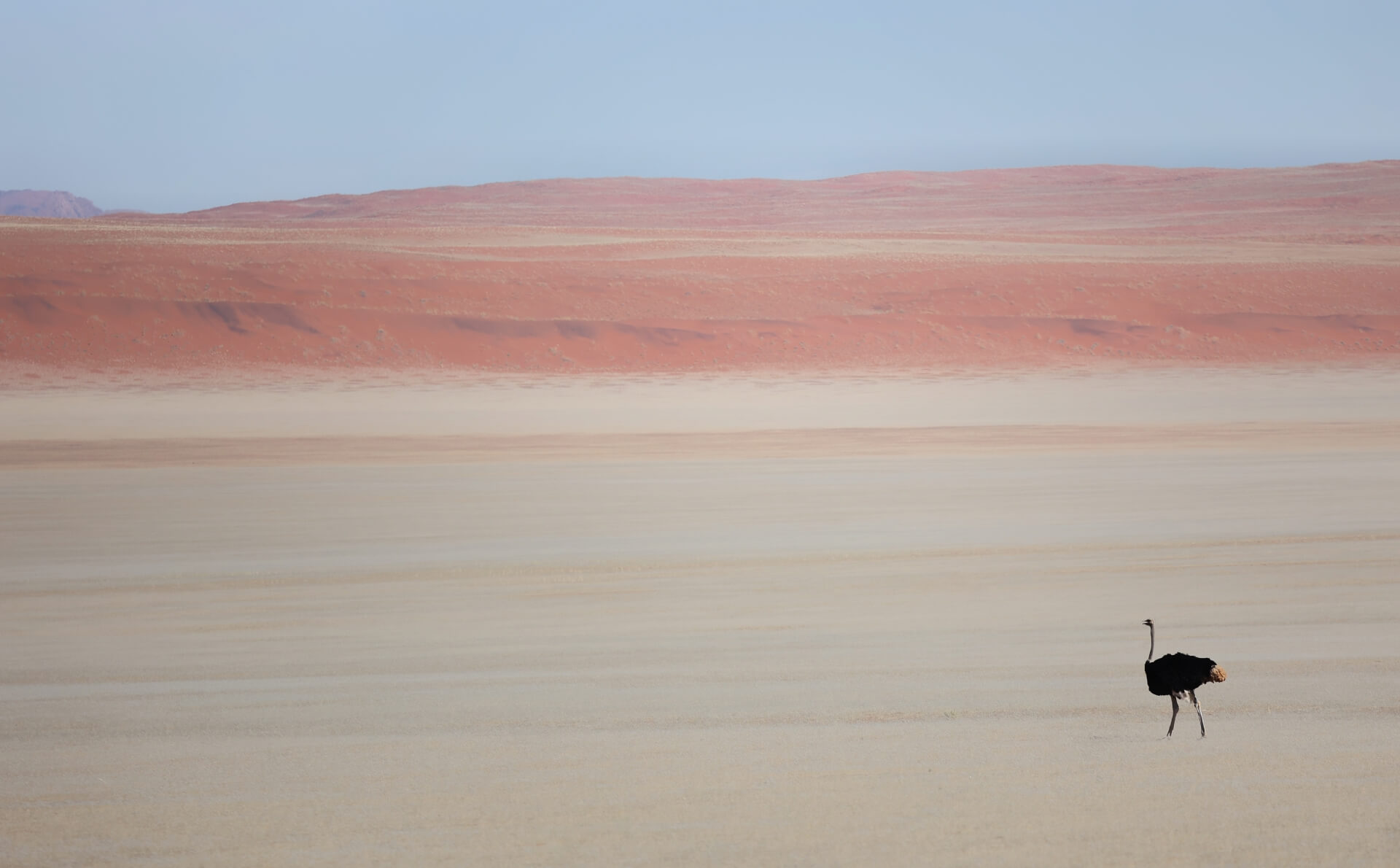
Botswana is having a moment, so when a returning client requested a fresh spin on this classic southern African safari destination, we jumped at the chance.
In contrast to Botswana’s lush floodplains and deltas, we opted for the vast deserts and towering dunes of Namibia. One trip; two very different perspectives on southern Africa. While these two countries may share a border and an exceptional array of wildlife, their contrast is compelling. Together they showcase southern Africa at its most varied and spectacular.
This one was a lot of fun, here’s how we pieced it together…
Hoanib
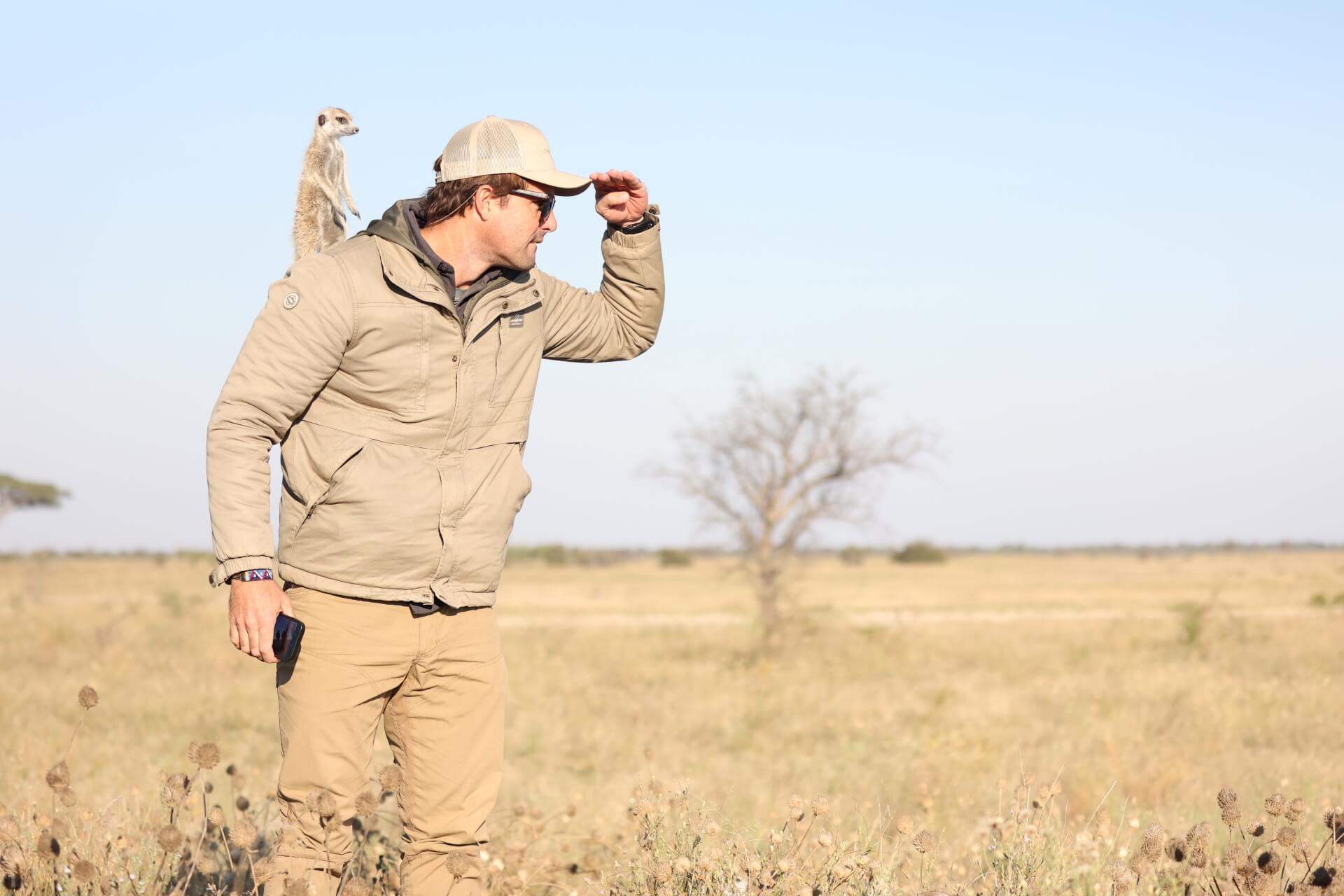
Taking its name from the seasonal river that runs through it, this stark, rugged area of the Namib Desert is a haven for Namibia’s desert-adapted wildlife. A safari through the Hoanib River valley to the Skeleton Coast feels like a journey to the end of the Earth: setting the tone for an Africa Born adventure defined by epic landscapes.
Though it only flows occasionally, the river fills a dense underground aquifer which provides groundwater and sustains the vegetation and wetlands favoured by lions, ostrich, elephants, giraffe, gemsbok and springbok.
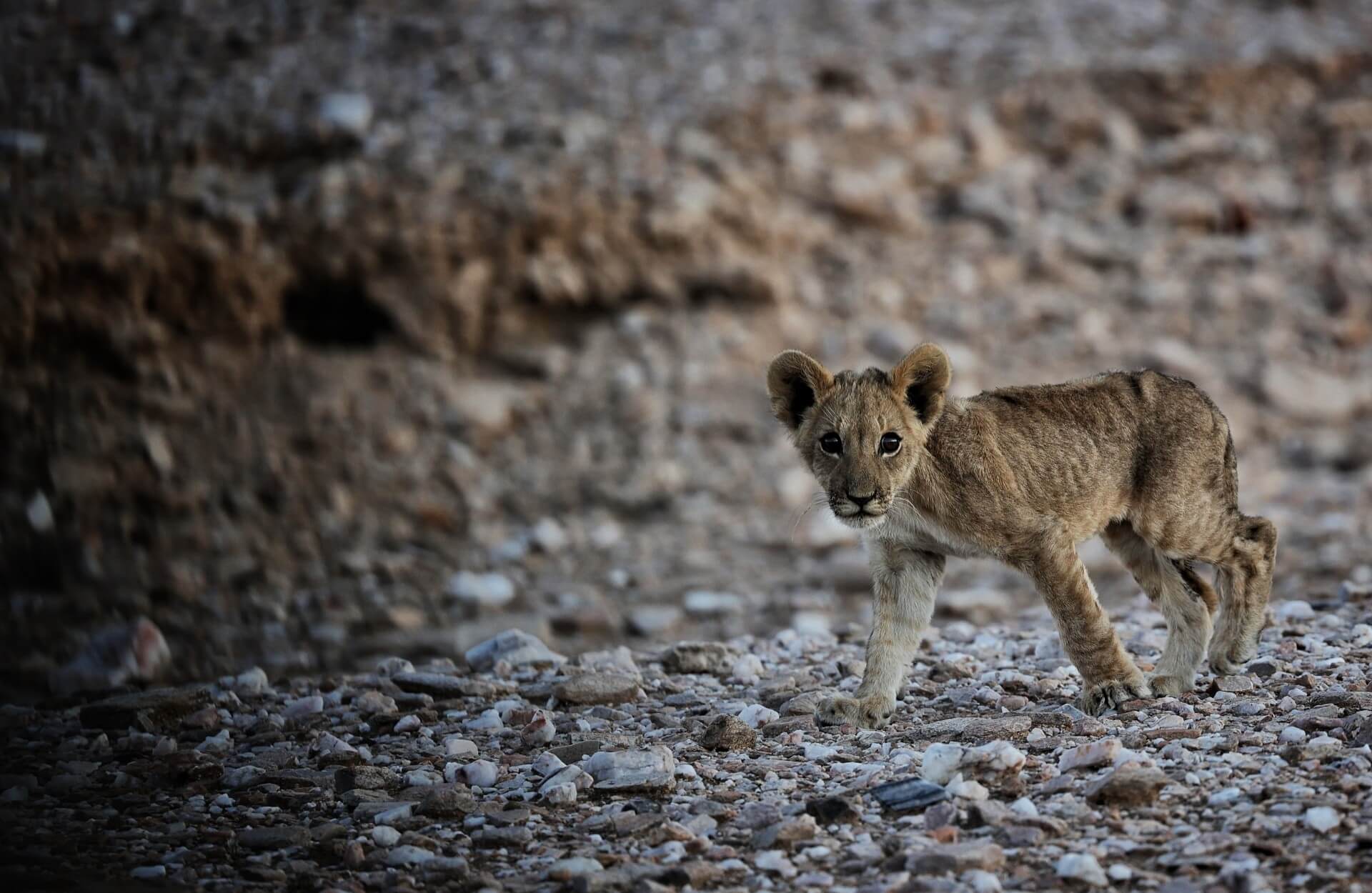
We overnighted at Hoanib Valley Camp, a joint venture between the local communities and the Giraffe Conservation Foundation, the world’s only Africa-wide giraffe conservation organisation. This elegant, intimate camp offers absolute desert immersion, hidden among the mountains and dry riverbeds of the Kaokoveld. With stunning scenery and the opportunity to track desert-adapted elephants, rhinos and of course giraffe, it's one of the most memorable places I've stayed in Namibia.
Skeleton Coast
Namibia’s Skeleton Coast is characterized by rough seas and empty sands. Its very name speaks to the fear felt both by the local Bushmen people and the first Portuguese sailors who reached these shores hundreds of years ago. The name in fact derives from the whale and seal bones that once littered these shores during the whaling era. With hundreds of shipwrecks scattered along its coastline, it remains a fitting name for this unforgiving stretch of coast.
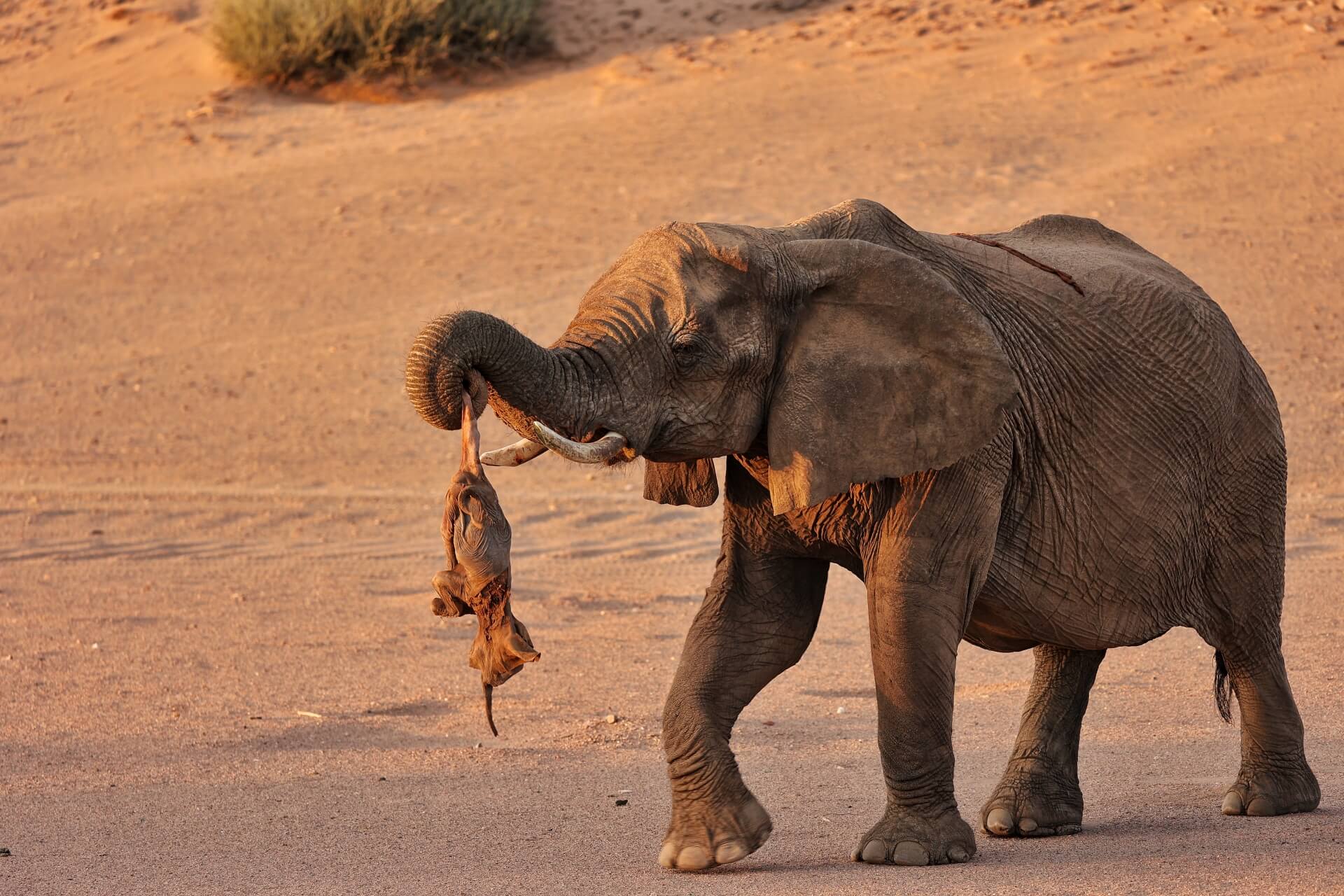
While this inhospitable Atlantic shoreline is vast and remote, a fascinating array of highly-specialised wildlife eke out a living in a place that has one of the lowest annual rainfall averages on earth. Amazingly, desert-adapted elephants and lions occasionally make their way to the coast, while huge seal colonies are predated upon by brown hyenas. The wind- and water-carved Clay Castles along this stretch of coast are remarkable, as are the whale bones and fascinating remains from centuries of shipwrecks.
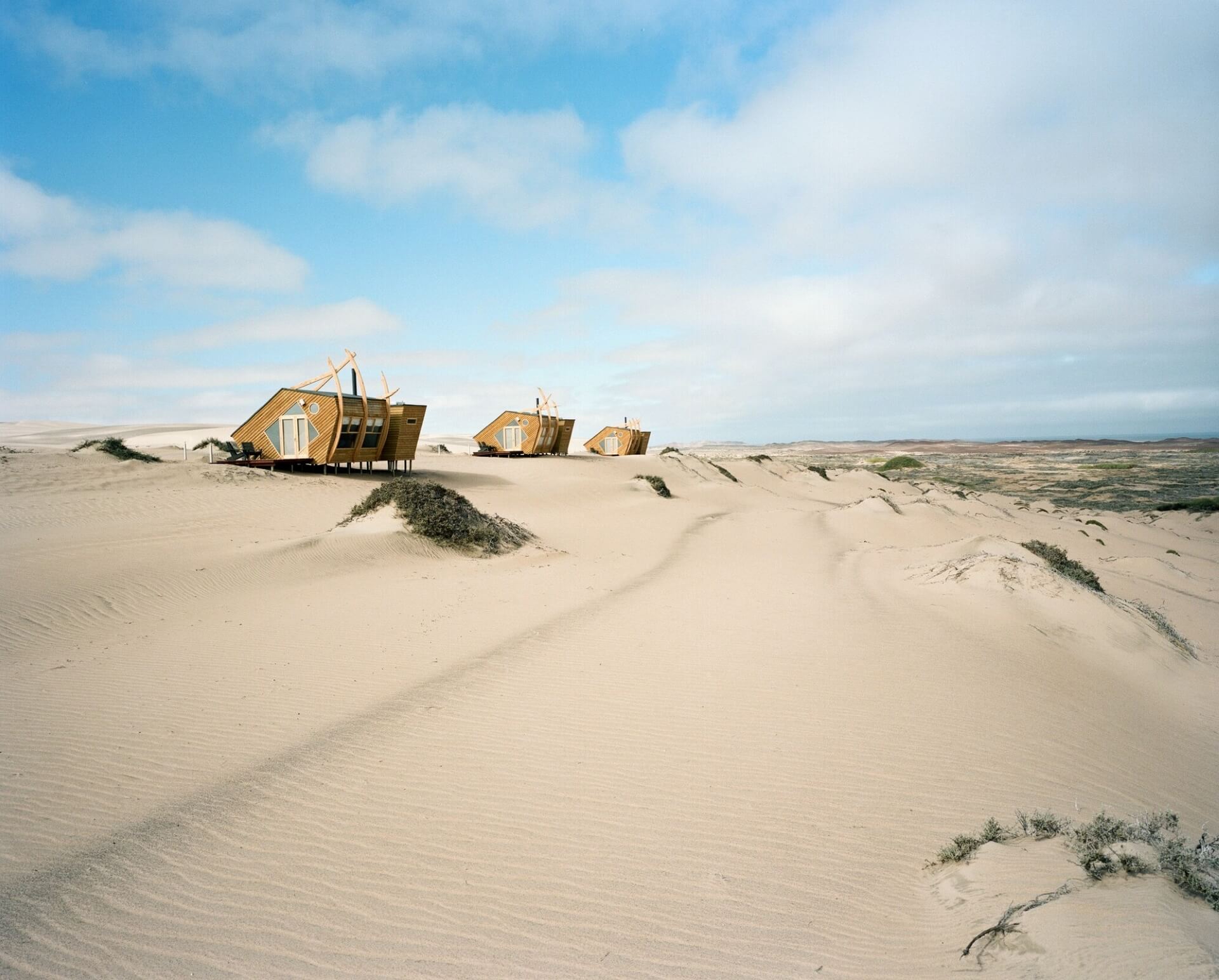
Shipwreck Lodge is the place to stay. We love the unique design of this property: inspired by the enigmatic shipwrecks found along this raw, rugged and impossibly remote slice of African wilderness. Here we spent two nights marvelling at the uninterrupted views across the wind-swept sands to the rough seas of the Atlantic Ocean.
Sossusvlei
Our final stop in Namibia was Sossusvlei: one of the most-sought after and unique spots in the country; a photographer’s dream. It is so mind-bendingly beautiful that it’s frankly impossible to take a bad picture! Sossusvlei’s endless expanse of sand dunes and salt pans - strewn with skeletal remains - exemplify the stark, ethereal beauty of Namibia.
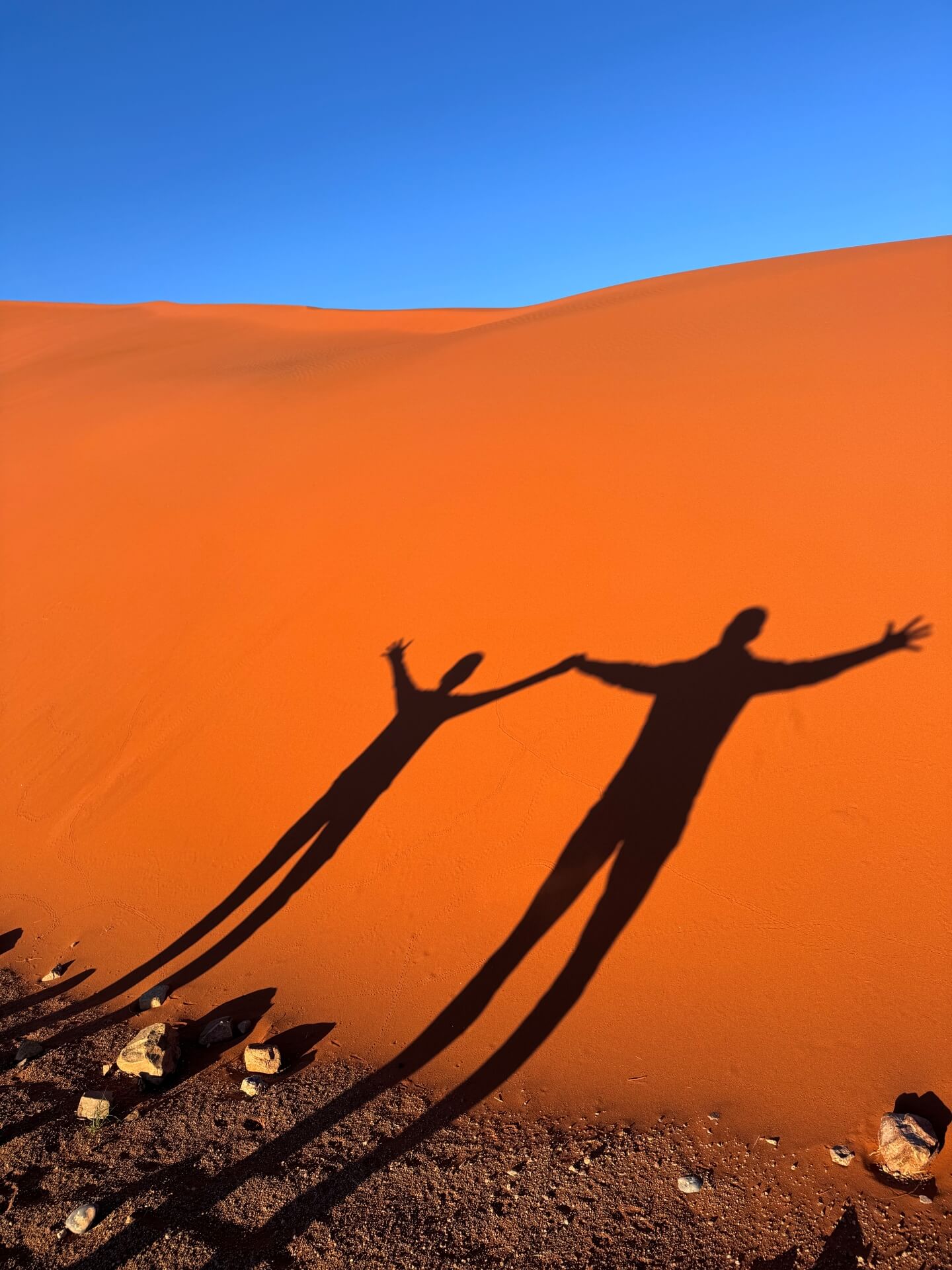
This corner of Namibia is home to some of the country's finest desert-adapted wildlife. But when the rains come, the pans then fill with staggering flocks of waterbirds and the landscape transforms into a sea of wildflowers.
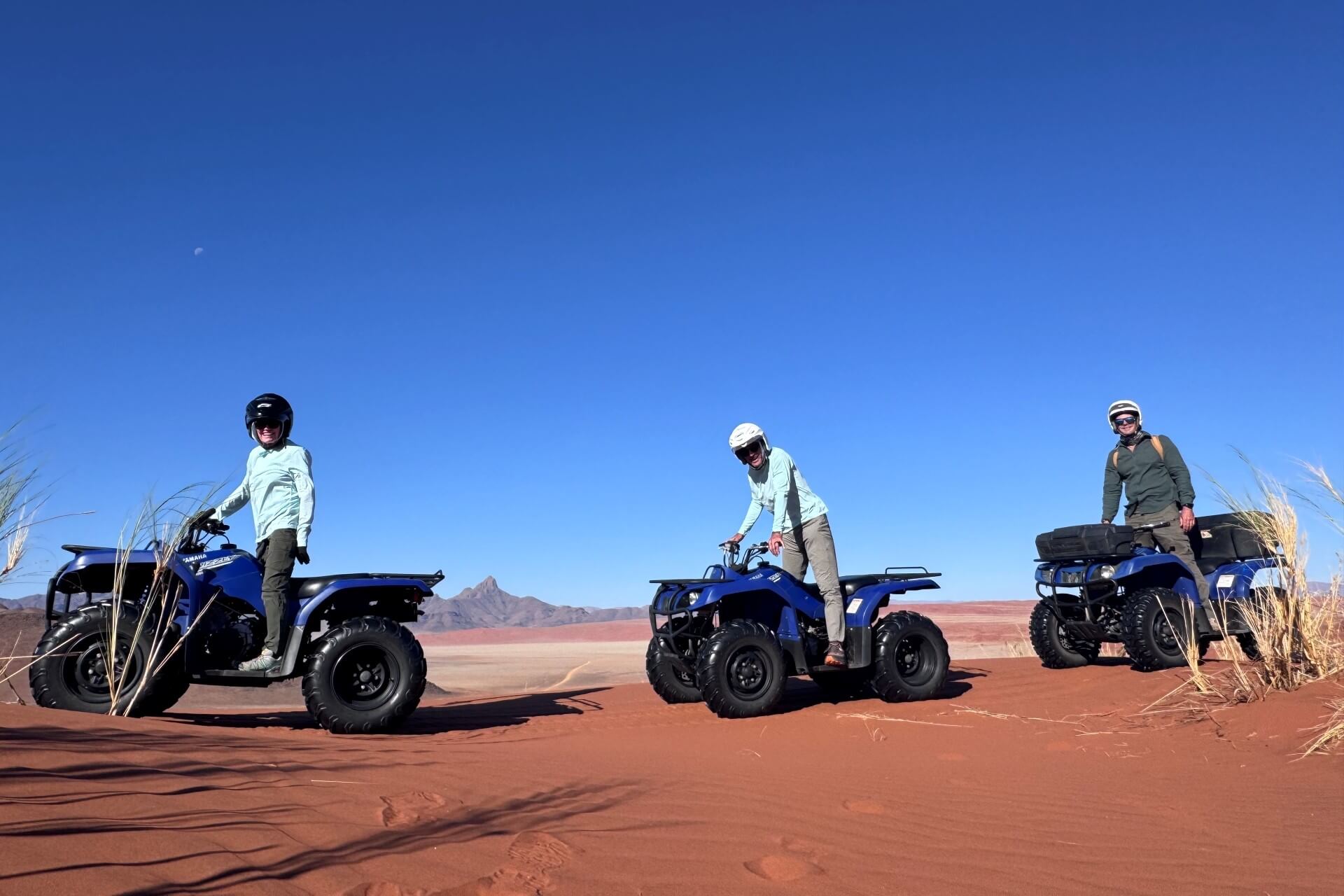
With so much to explore, we chose to spend three nights in Sossusvlei, staying at the &Beyond Sossusvlei Desert Lodge. This architectural masterpiece, crafted from stone and glass, curves gracefully along the escarpment, overlooking &Beyond's 31,000-acre private desert reserve and the seemingly endless horizon beyond. Highlights of this leg of the trip included a spectacular hot air balloon ride, an awesome day quad biking and some of the most extraordinary desert flora species I’ve seen in some time.
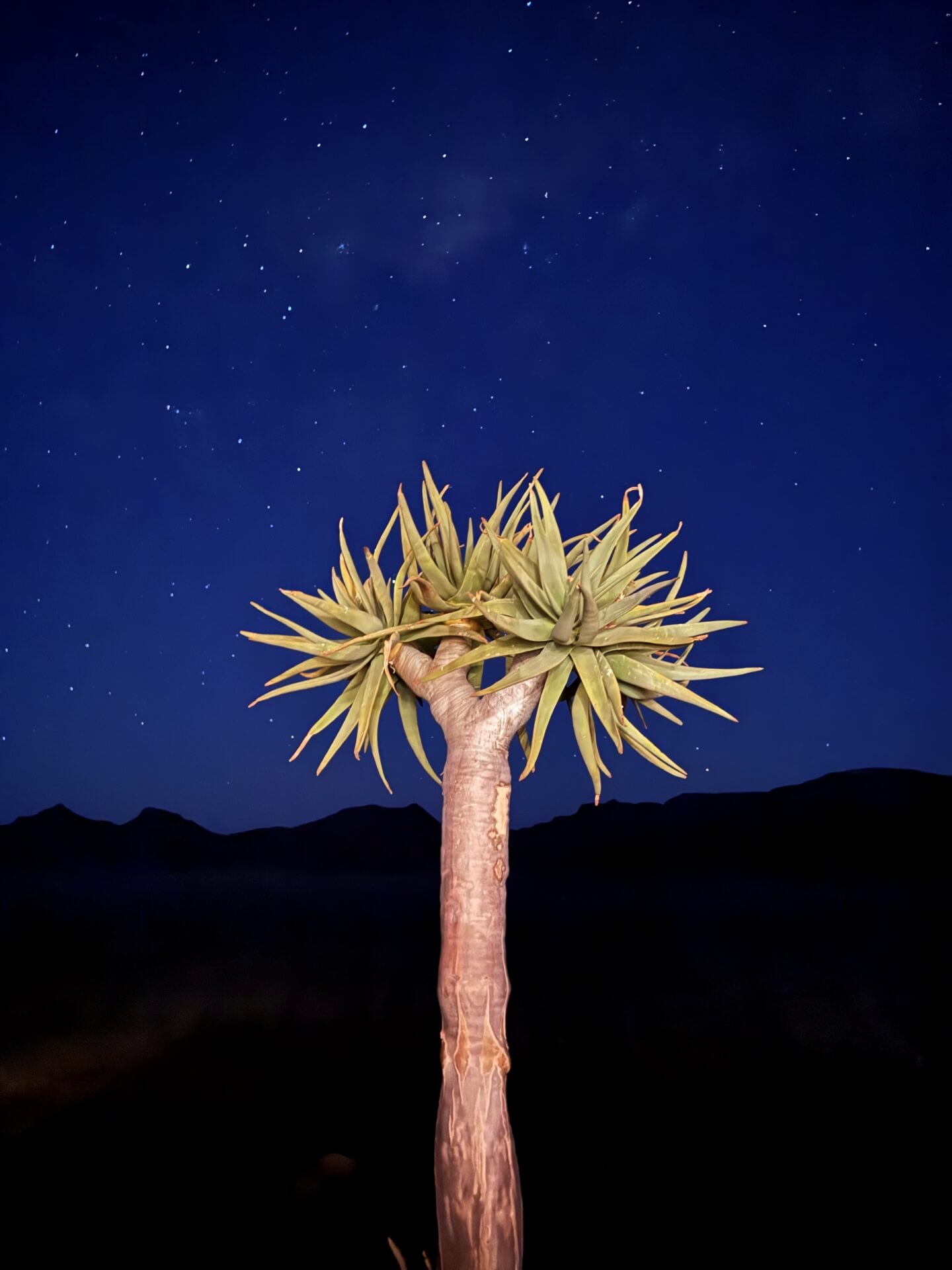
Stargazing in Sossusvlei is like nowhere else - best enjoyed in bed each night, making the most of &Beyond’s incredible retractable skylights or in the on-site observatory kitted out with all the astronomical toys.
Okavango Delta
Leaving Namibia behind, we boarded our private charter flight bound for Botswana's Okavango Delta. From the air, the transformation was astonishing, as the stark desert landscapes gave way to the lush green waterways and floodplains of one of Africa's most remarkable ecosystems.
An overwhelming sense of space and solitude is immediately apparent flying over Botswana. Nearly 40% of the country is set aside for national parks and private concessions, creating vast wilderness areas where wildlife roams freely. With a population of just 200,000 spread across this expansive landscape, many of Botswana's wild places remain relatively untouched by man.
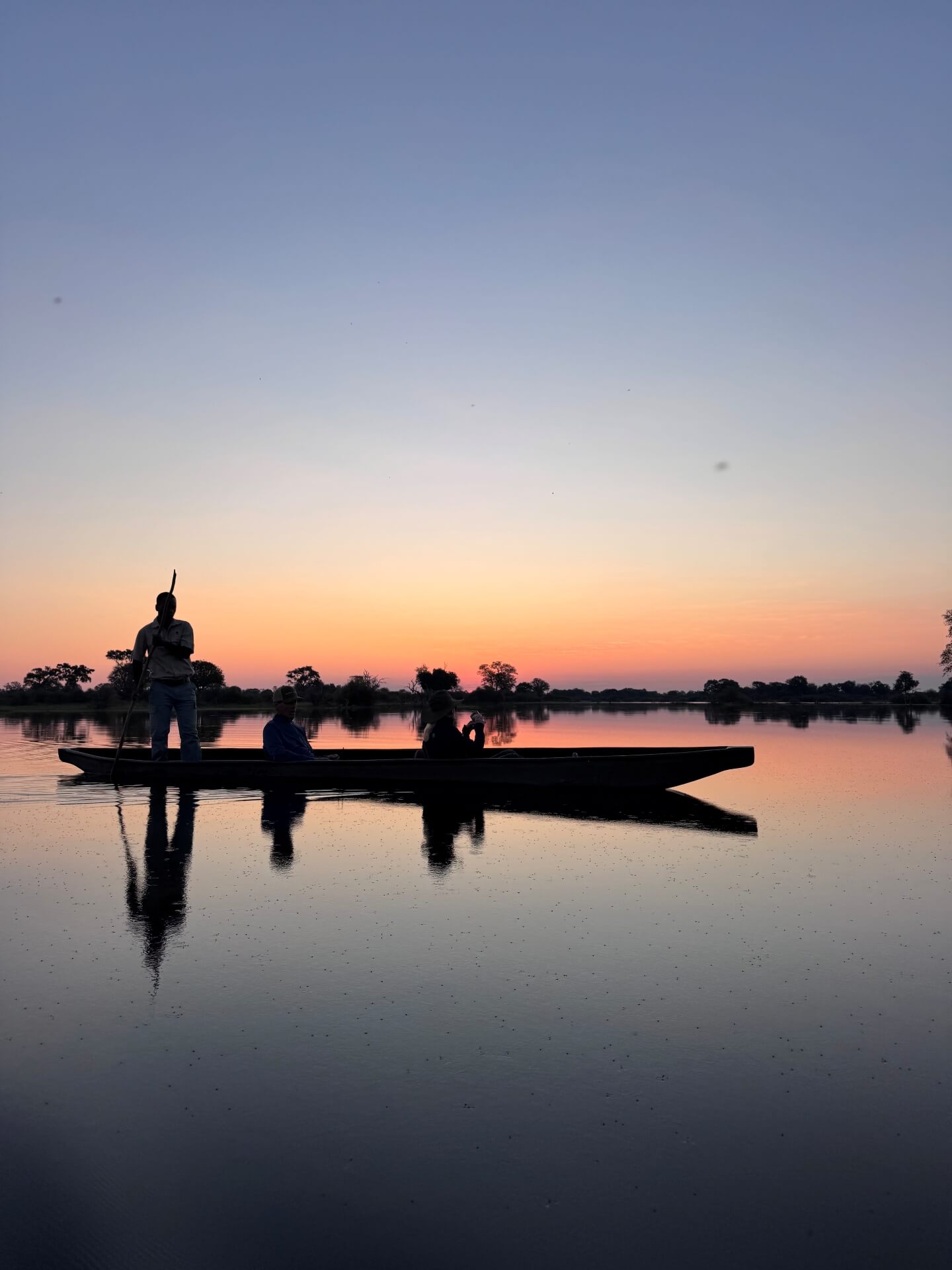
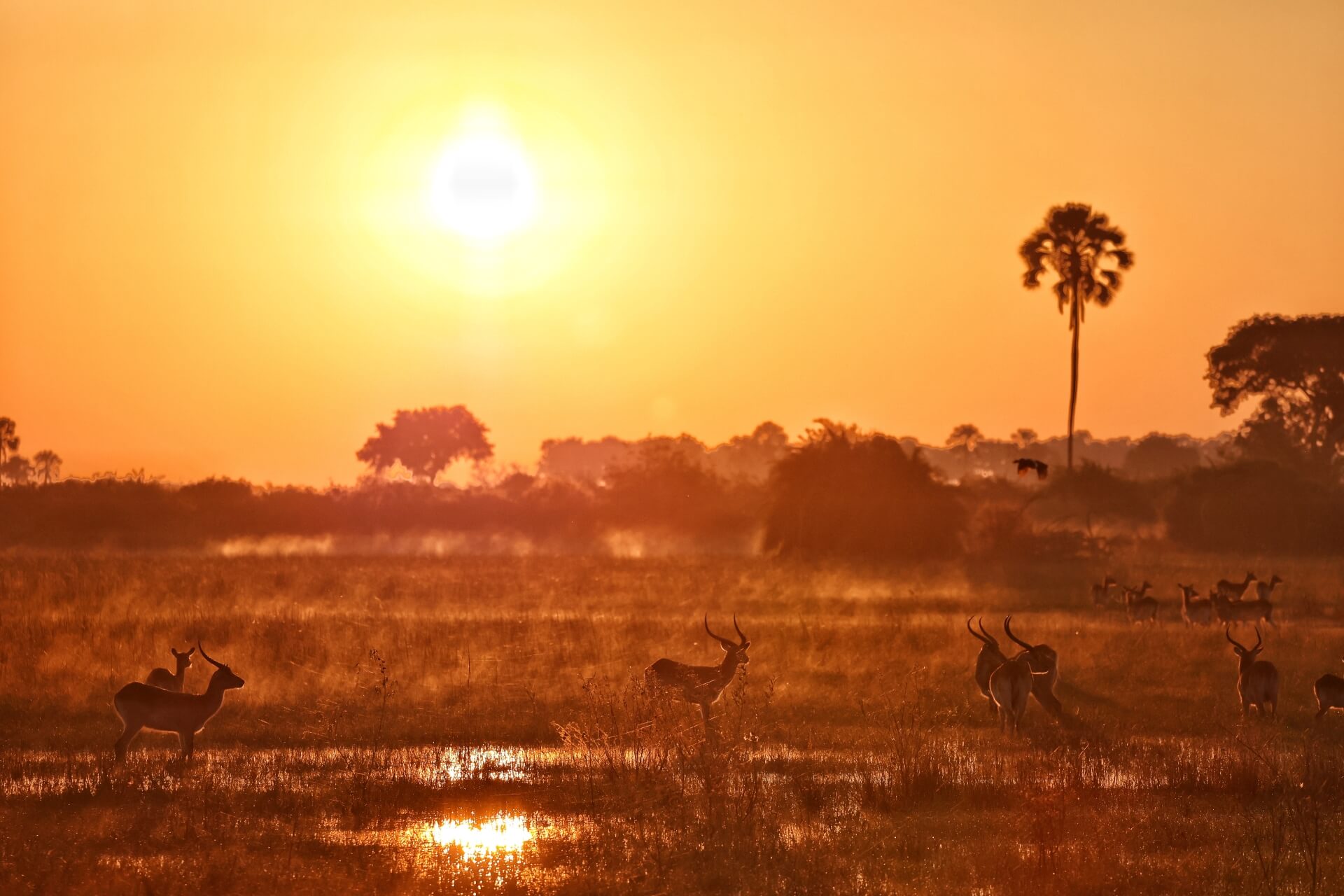
The Okavango Delta is the largest intact inland delta in the world, and is exceptionally rich in wildlife. Meandering deep water channels open up into larger lagoons and islands; these in turn give way to seasonal floodplains and eventually large tracts of dry land where animals congregate. We visited in May - the start of the dry winter season - but the delta can grow to a staggering 22,000km² when the rains fall.
Visiting in dry season made for awesome game viewing, as the wildlife naturally gravitates towards the Delta's waterways and the vegetation dies back a little, improving visibility. The trip didn't disappoint, delivering some of the best wildlife viewing I've ever experienced in the Delta.
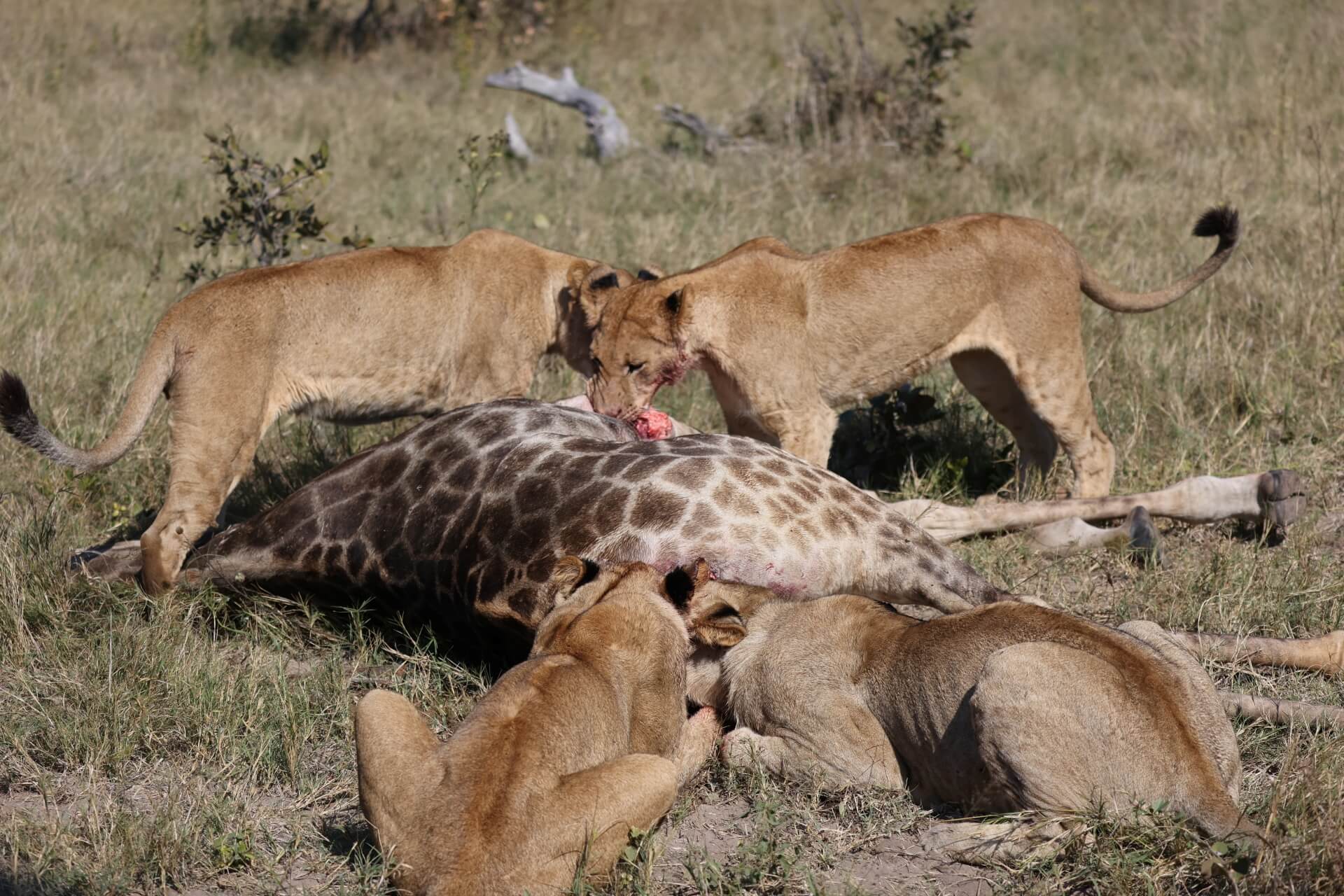
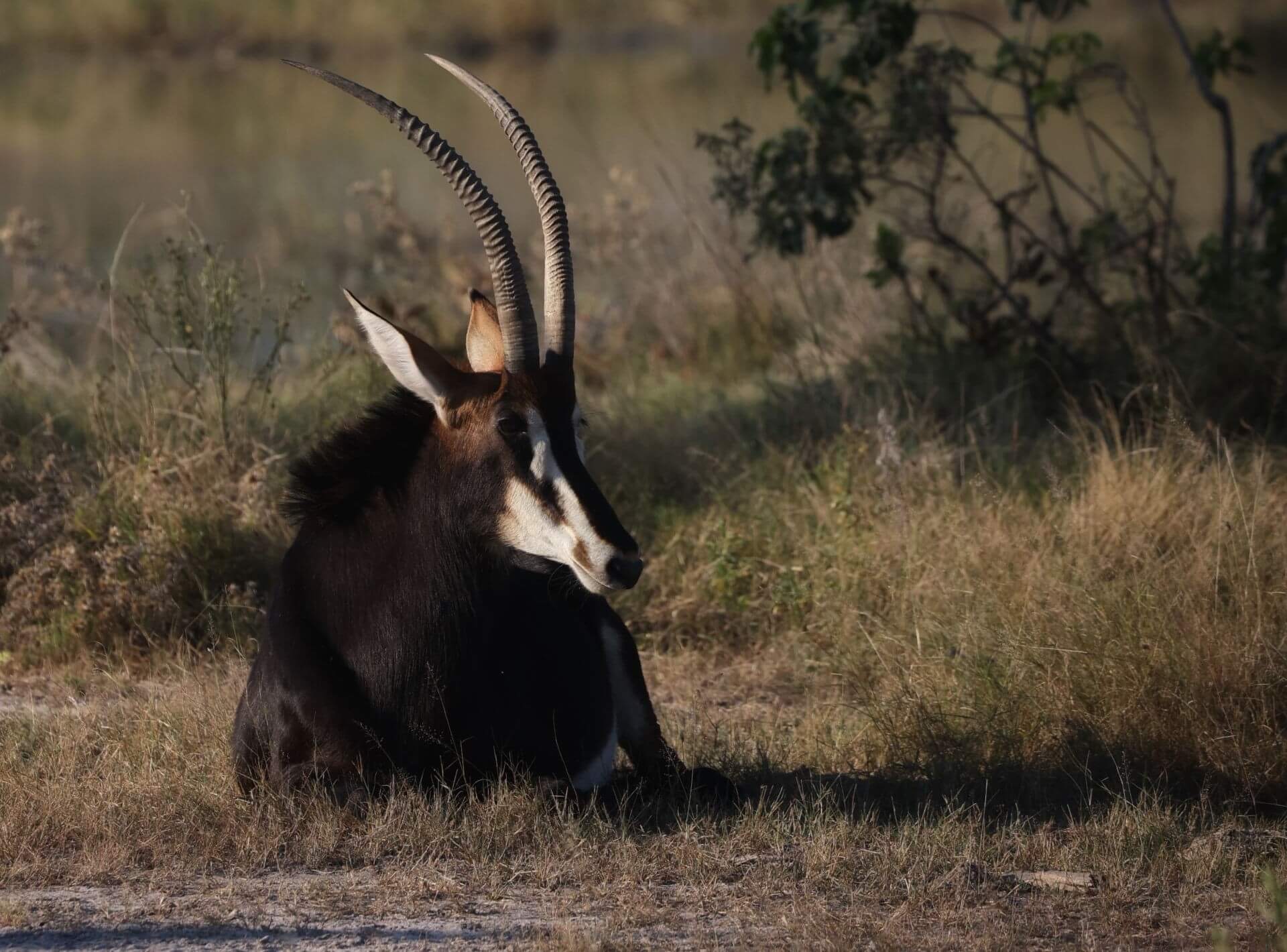
We love to host guests at Vumbura Plains in the far north of the Delta: two separate but linked camps that span an area of water and dry land. The variety is remarkable, both in terms of wildlife and the ways in which guests can experience it. Yes, there’s traditional game drives, but you can also take to the waters by boat and - my favourite - mekoro: traditional, flat-bottomed dugout canoes. The wildlife viewing was second to none. We saw amazing birdlife, the rare sable antelope, leopard and a pride of lion tucking into a giraffe.
A heli safari across the Delta comes very highly recommended. We flew south across the Delta to Xigera Safari Lodge, tucked away in a private concession in the heart of the Moremi Game Reserve. From the air, your travel time becomes part of the adventure, and a helicopter transfer offers total freedom to veer off the official route and land wherever you fancy for an epic view, sighting or a picnic en route.
Named after the Pied Kingfisher that makes its home amid the watery channels of Moremi Game Reserve, Xigera (pronounced ‘kee-jera’) is a family-owned property that combines exceptional wildlife viewing with world-class design, art and hospitality. Every aspect of Xigera has been carefully curated, from its extraordinary collection of African art to its elevated suites overlooking the floodplains and the incredible 10m high Baobab Treehouse.
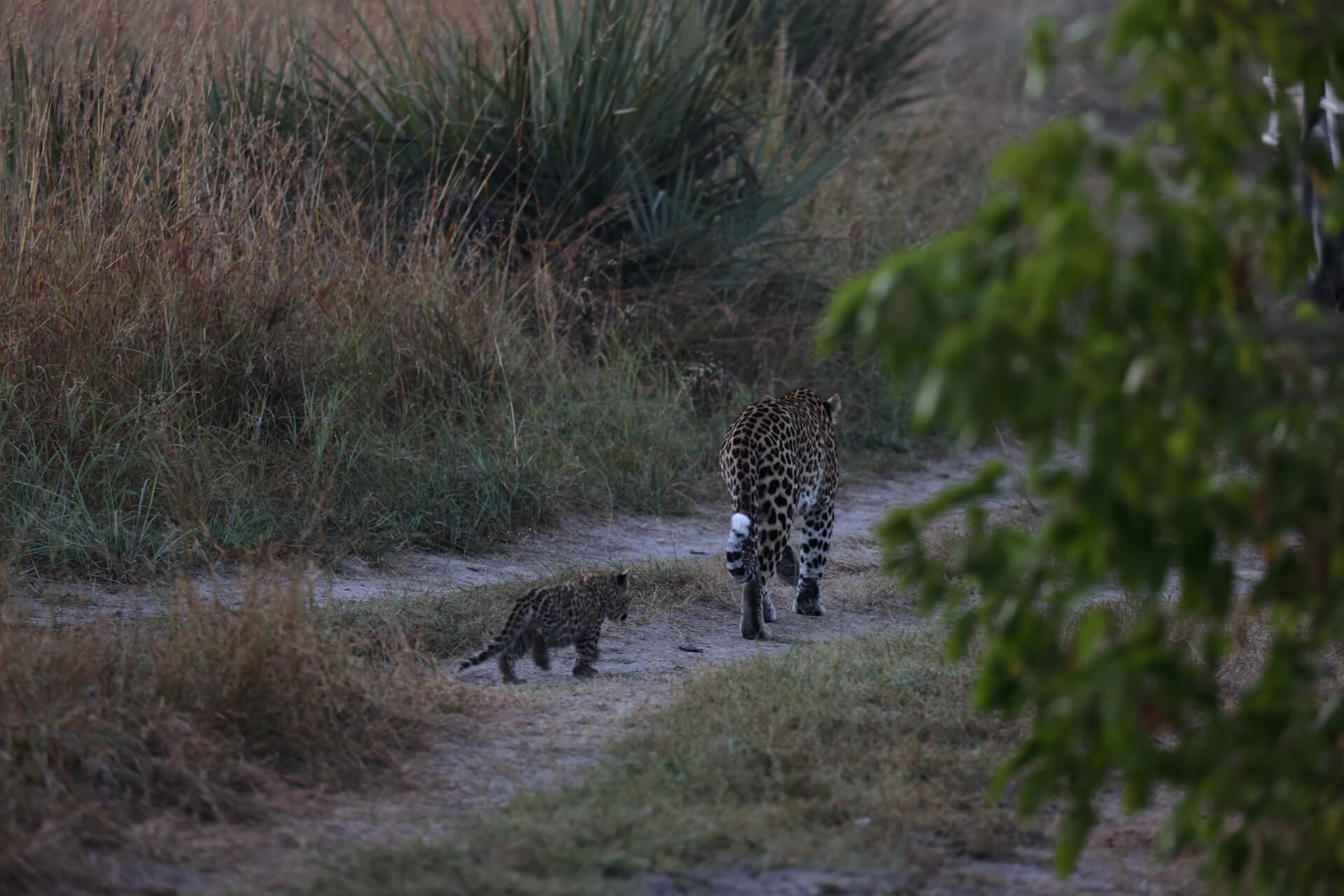
A Xigera safari is as culturally rich as it is immersive, and the experiences on offer are impressive. Alongside game drives, walking safaris and boat safaris, there’s fishing, art and design tours, an amazing stargazing deck, and an incredible spa: widely recognised as Africa’s best.
Makgadikgadi Pans
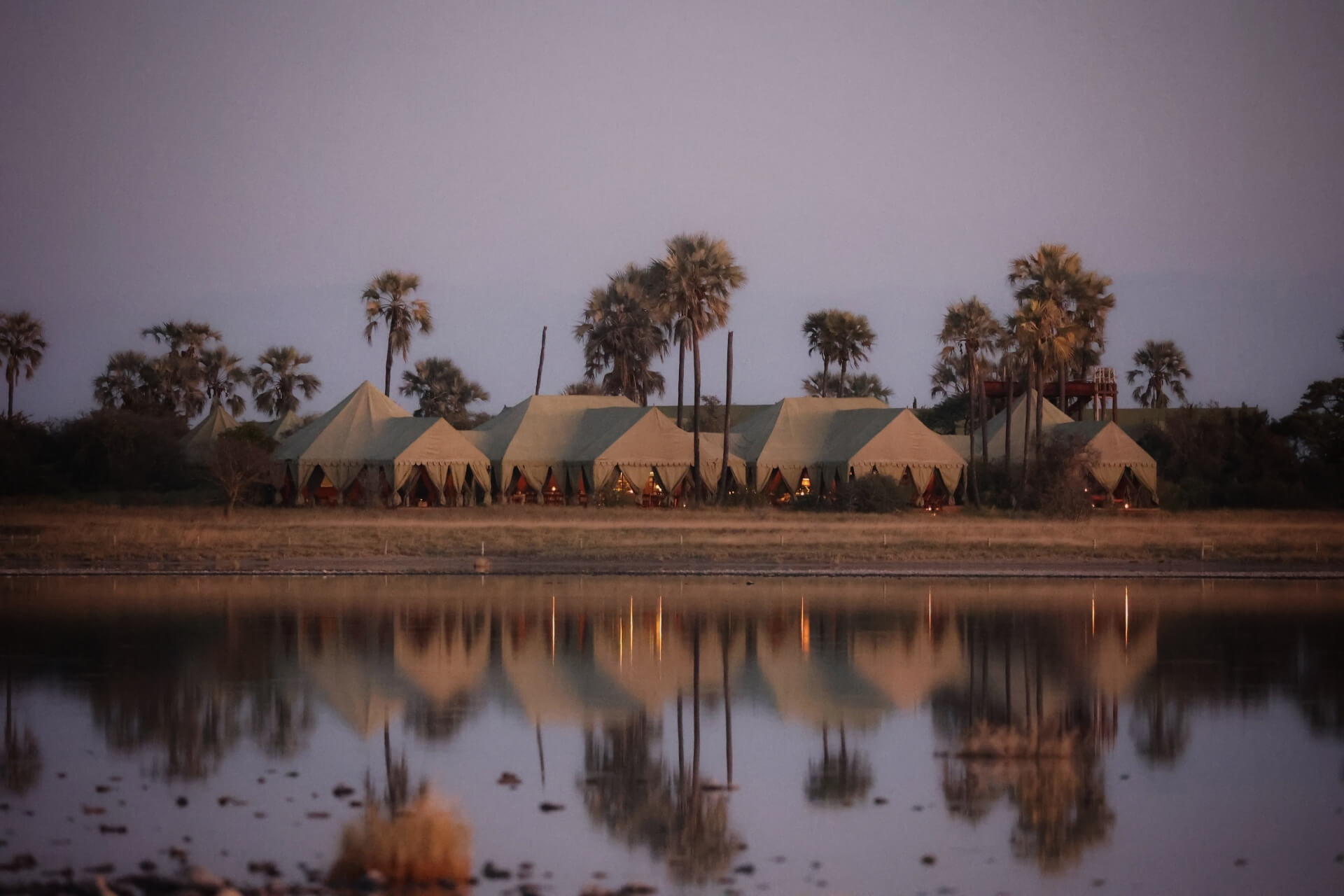
Our safari drew to a close on the Makgadikgadi Pans of the Kalahari Basin - one of the largest salt pan systems on Earth and the hauntingly beautiful remnant of an ancient inland lake that once covered much of Botswana. These vast, shimmering plains challenged early explorers such as David Livingstone, who crossed by ox-cart with little to guide the way, while local legends tell of San children becoming disoriented by the mirages that dance across the horizon.
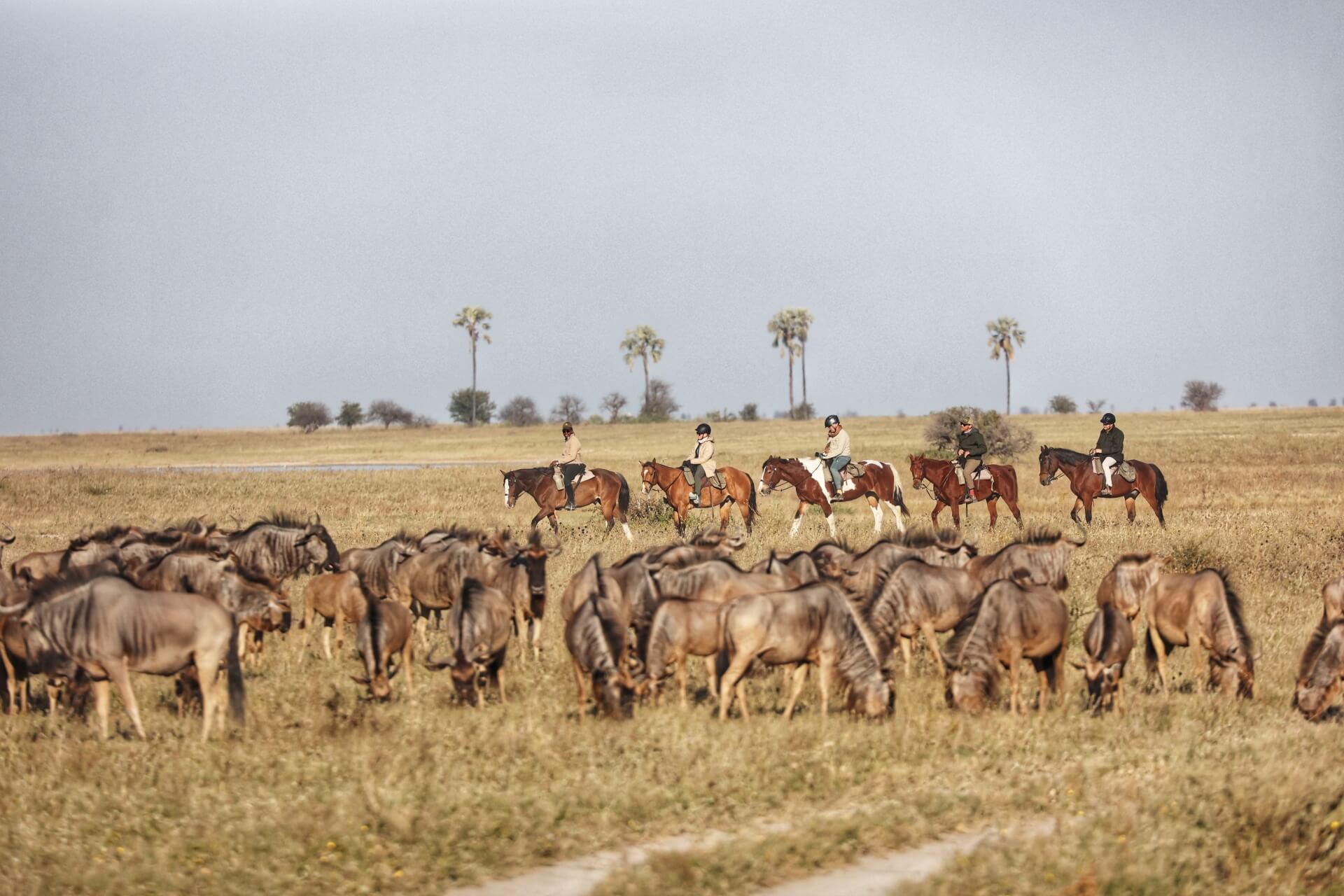
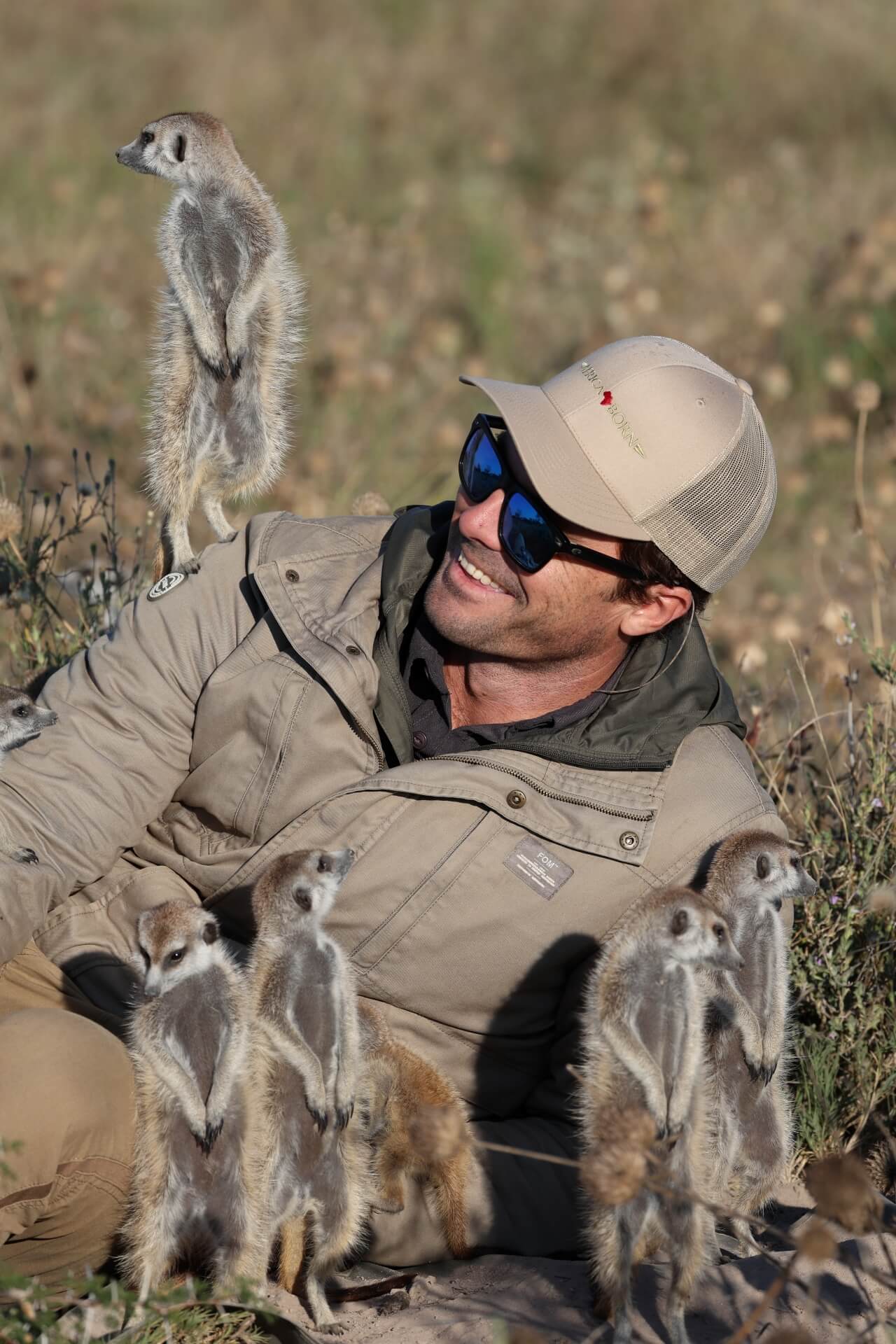
These barren arid pans are fringed with grasslands, palms and ancient baobabs. In the wet season, these habitats come alive as large herds migrate towards the Boteti River, drawing predators into the area and creating superb wildlife viewing opportunities. During our time on the Makgadikgadi Pans we saw countless elephant, became well-acquainted with an amusingly friendly mob of meerkats, enjoyed beautiful horseriding across the delta and spent time with the local San people, which is always a huge privilege.
Our base for these final three days of safari was Jack’s Camp, one of Africa’s most iconic properties, reminiscent of a traditional East African 1940s safari camp. With an impressive library and one of the most comprehensive collections of ancient artifacts in Botswana - collected and curated by the Bousfield family over decades - this is a camp steeped in history, personality and absolute authenticity. A fitting spot to end our safari.
Two neighbouring countries. Two completely different worlds. This journey explores the striking contrast between two of southern Africa's most spectacular safari destinations. If you’re looking for epic landscapes, amazing wildlife and a few surprises along the way, this is the one. Get in touch!
Subscribe to our newsletter
Lorem ipsum dolor sit amet, consectetur adipiscing elit. Suspendisse varius enim in eros elementum tristique.

Inspiration
Beyond the vehicle: the many ways to safari
Paolo and I love to go beyond the ordinary on safari and for us, that means getting out of the vehicle and really immersing yourself in the raw rugged beauty of Africa.
Guide Diaries
Hooked: the ultimate Kenyan fishing safari
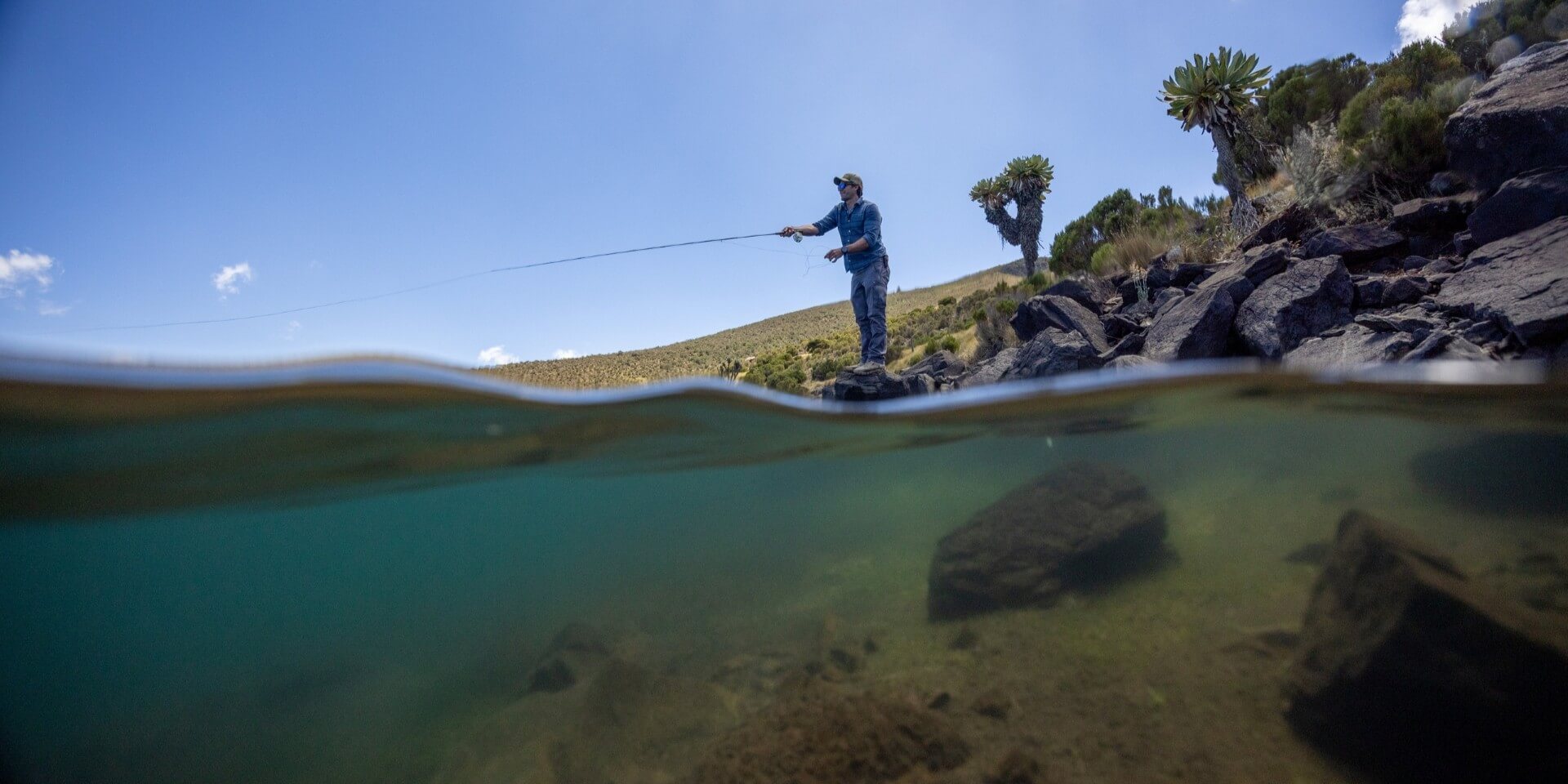
Spend five minutes with me and you’ll know I love fishing. Growing up in Watamu on Kenya's north coast, fishing became a passion at an early age.

Africa Born News
Inspiration
Travel With Purpose
Africa Born x James Lewin: framing the wild
We’re thrilled to announce a new collaboration with internationally-acclaimed photographic artist, James Lewin. James is married to one of our safari specialists, Tamara and also guides some of our trips.