

The best adventures leave you wanting more.
Following last year’s epic Ethiopia heli safari, one of our returning families was eager for another epic off-grid trip.
So this summer we were back in the helicopters, this time in Tanzania. Few countries hold more of Africa within a single border. Tanzania is a country of extraordinary scale and diversity, and one that’s made for adventure.

The brief was familiar: get right into the heart of Tanzania’s most remote and unspoilt wilderness, reaching places that few ever see.

Over 14 days, we’d be exploring the dramatic Rift Valley landscapes of Ol Doinyo Lengai, Lake Natron and Ngare Sero Gorge, fishing in Nyerere National Park, foraging for wild honey with the hunter-gatherer Hadzabe community, fly camping under the stars and sleeping in treehouses in East Africa’s largest marine park.
Here are some of my highlights from an unforgettable heli adventure in Tanzania…
1. Vast and varied landscapes
Tanzania’s incredible scenery is best enjoyed from the air. With limitless freedom and the ability to reach otherwise inaccessible spots, our days spanned the iconic parks of the north, the wild and remote south, and the islands, coral reefs and historic Swahili settlements of Tanzania’s Indian Ocean coast.

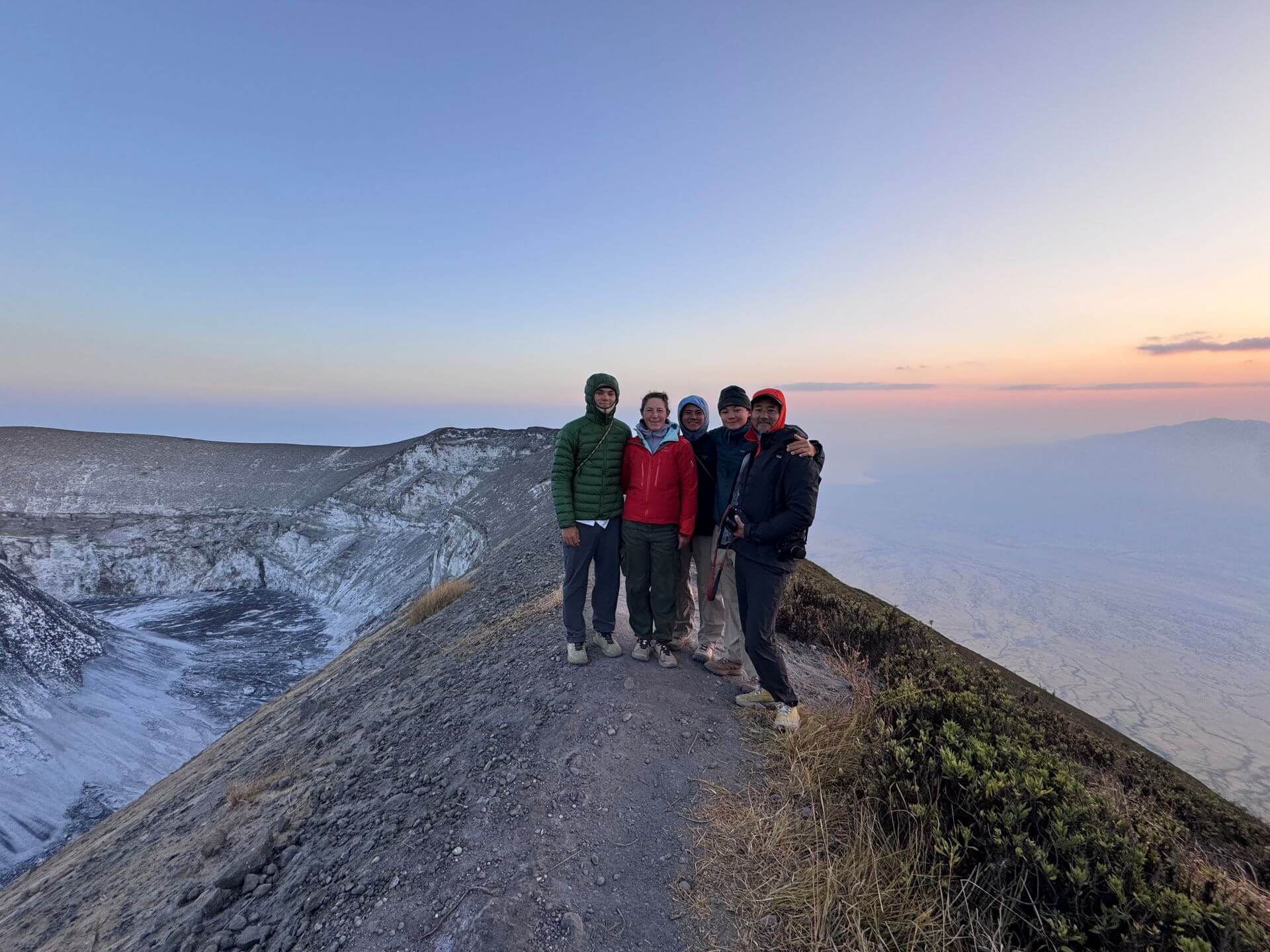
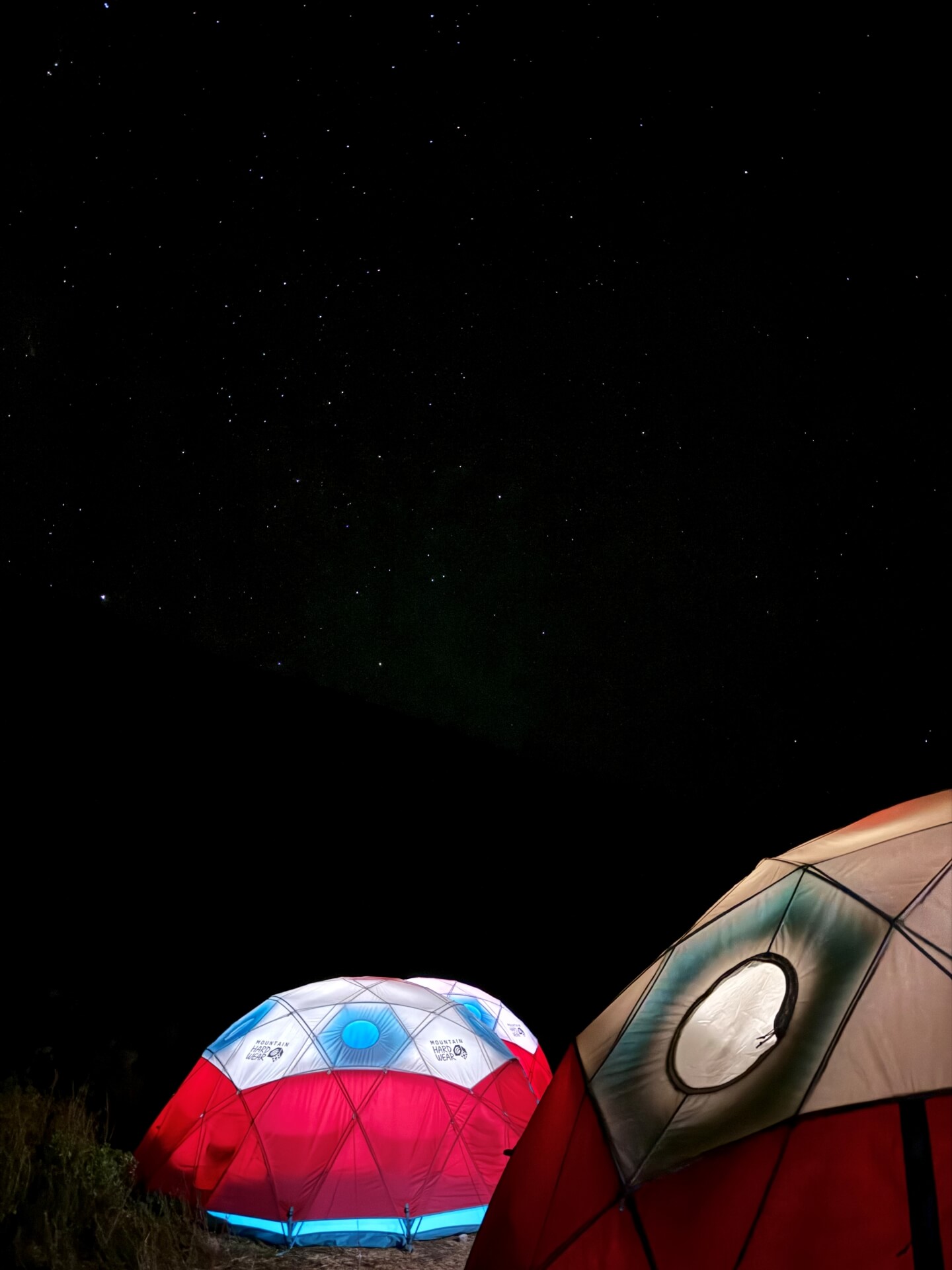
The sheer scale and drama of Tanzania’s Great Rift Valley never fails to amaze me, and our stay at Lake Natron Camp was no exception. Here - at the lowest point of the Rift Valley - we were absolutely in the thick of it: Ol Doinyo Lengai to the south, the pinnacles of Mt Gelai to the east, the gorge-etched escarpment of the Rift Valley to the west, and flamingo-dotted Lake Natron stretching out to the north. Then came the real adventure: taking the helis up to the summit of Ol Doinyo Lengai for a spectacular night’s fly camping. Dropped into this remote, sacred landscape by heli, we spent the night photographing the stars from the ‘Mountain of God’, with the vast Rift Valley spread out beneath us.
Nyerere National Park (formerly the Selous), the largest wilderness in all of Africa, was another absolute highlight. This remote landscape is dominated by palm fringed waterways, riverine thickets, Miombo woodland and the wide and unhurried Rufiji River. Staying on the banks of the river - a magnet for wildlife - we spent our days watching the theatre of the African bush unfold from the water, riverboating and fishing this mighty waterway.

2. Wildlife at every turn
From big-game encounters to the smaller, more elusive species, Tanzania’s wildlife is as diverse as its landscapes, and there’s always the feeling that something extraordinary could be just around the corner.

The lakes were magnificent: particularly at sunrise and sunset, when the water came alive with birdlife. At Lake Eyasi, we watched migrating waterbirds in their thousands, while Lake Natron was something else altogether, with vast flocks of lesser flamingos gathering on its alkaline waters. A staggering 75% of the world’s lesser flamingo population is born on this lake. It’s quite the photo opportunity.
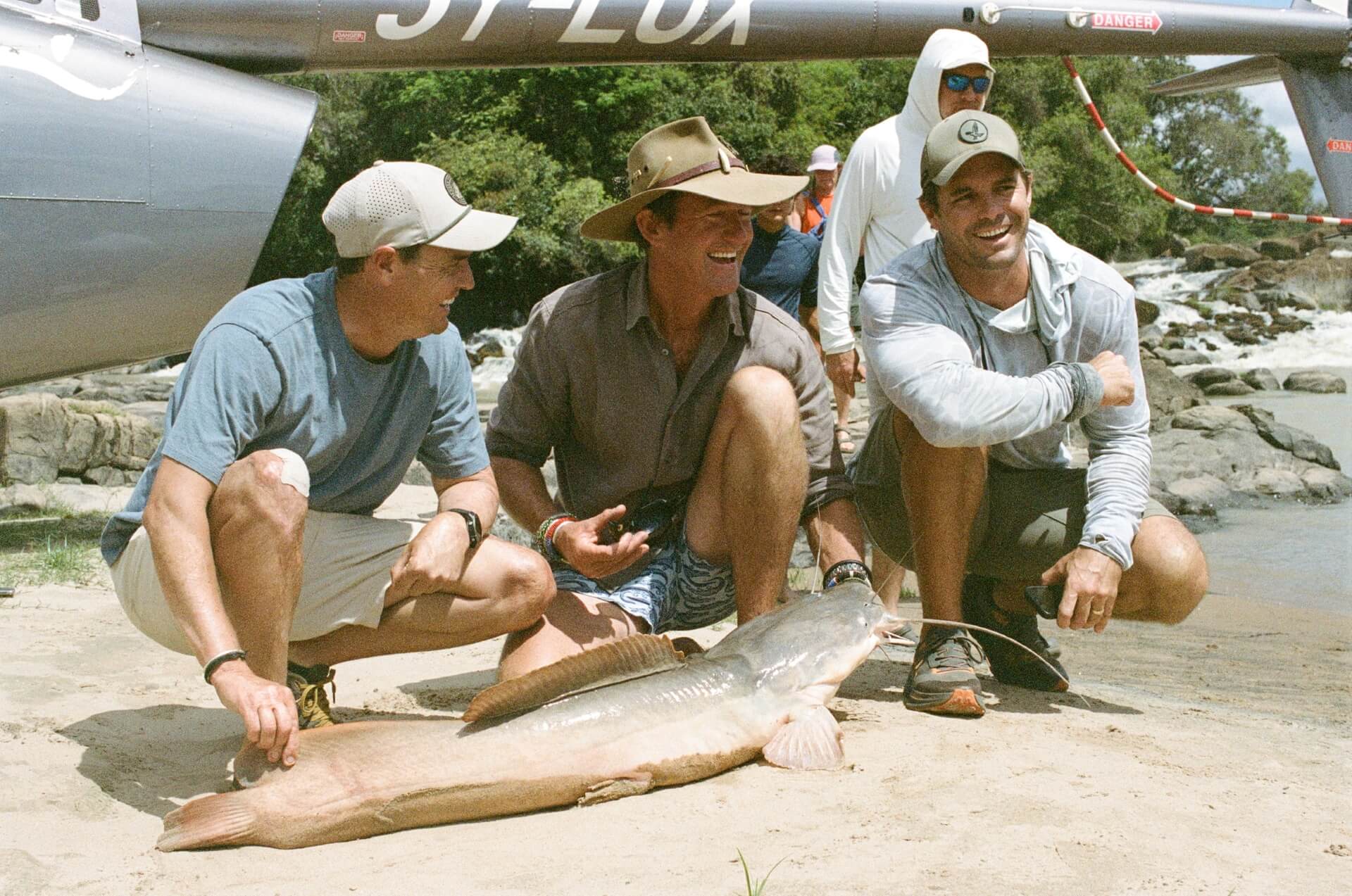
Nyerere National Park offered excellent wildlife viewing. Considered a real connoisseur’s park, this undisturbed wilderness is Big Five country and really comes into its own in the dry season when the bush is not as thick and predators are more visible. Favourite sightings included countless wallowing hippos and basking crocs and, for the birders, beautiful fish eagles and kingfishers patrolling the water's edge. The fishing, though, was insane
Offshore, Tanzania's Mafia Island Marine Park was every bit as remarkable with shorebirds, waders, green turtles, shoals of reef fish and of course its famous whale sharks.

3. People, traditions and ancient stories
Tanzania’s cultural heritage runs deep: written into ancient rock art and archaeological sites and kept alive through the traditions of Maasai, Hadzabe and Swahili communities. It’s a country where some of our earliest human ancestors once walked, where hunter-gatherer traditions endure, and where centuries of trade have shaped a fascinating coastal culture.
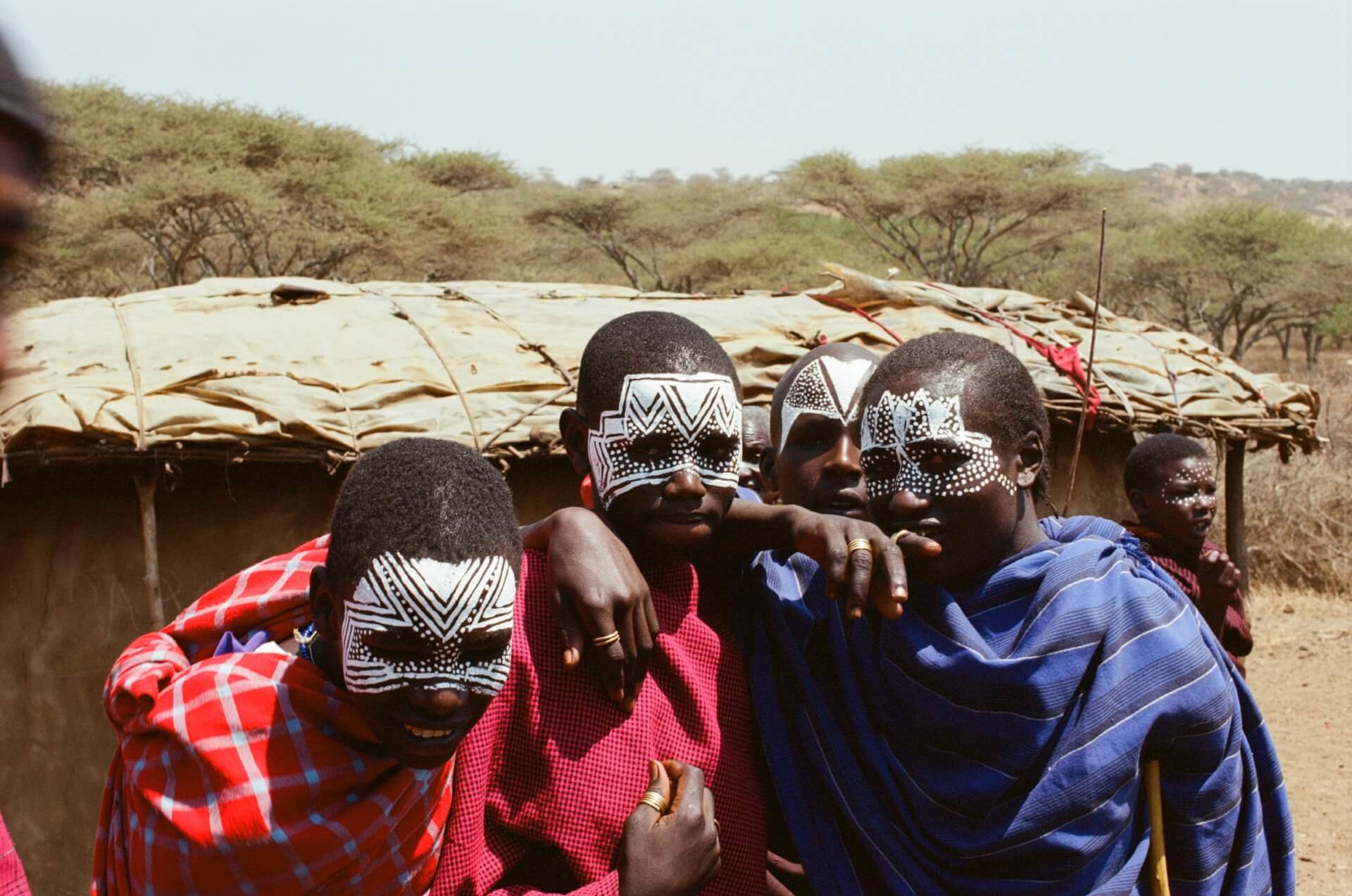
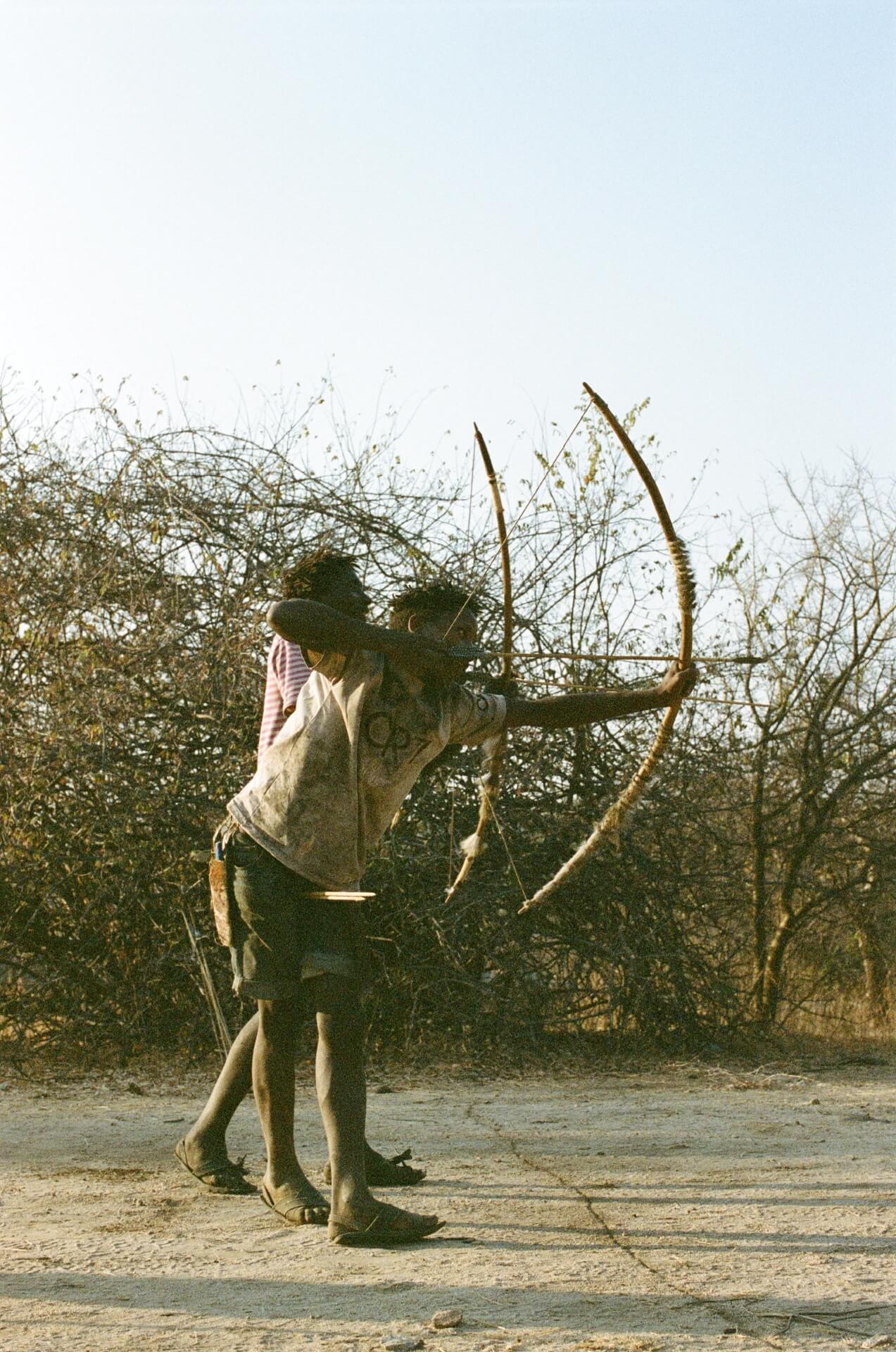
Meeting Africa’s incredible people is one of the best parts of any safari, and this trip was no exception. Touching down in the Yaeda Valley, just south of the Serengeti, feels like entering a very different world. We spent the day alongside the Hadzabe, one of the few remaining hunter-gatherer communities, learning about their way of life first-hand.

From foraging for wild honey and crafting traditional bows to hearing their stories and discovering their remarkable knowledge of the natural world, it was a fascinating insight into a way of life shaped by the land and its seasons. An overnight stay at nearby Dorobo Camp, a beautiful low-impact camp, added another dimension. Dorobo works alongside indigenous communities, including the Hadzabe, supporting local livelihoods and funding conservation efforts. Exactly the kind of travel we believe in.
4. Exploring Tanzania, every which way OR Taking the scenic route, every which way
The helis may have been the main event, but they certainly weren’t the only way we got about. From walking and off-road game drives to snorkelling, paddleboarding and boating lakes, rivers and the Indian Ocean, we covered a lot of ground in a lot of different ways.
At Ol Doinyo Lengai, we hiked deep into the Ngare Sero gorge to the very source of the river, taking in hidden historic orpul sites: secluded spots used for traditional Maasai healing retreats and communal practices.
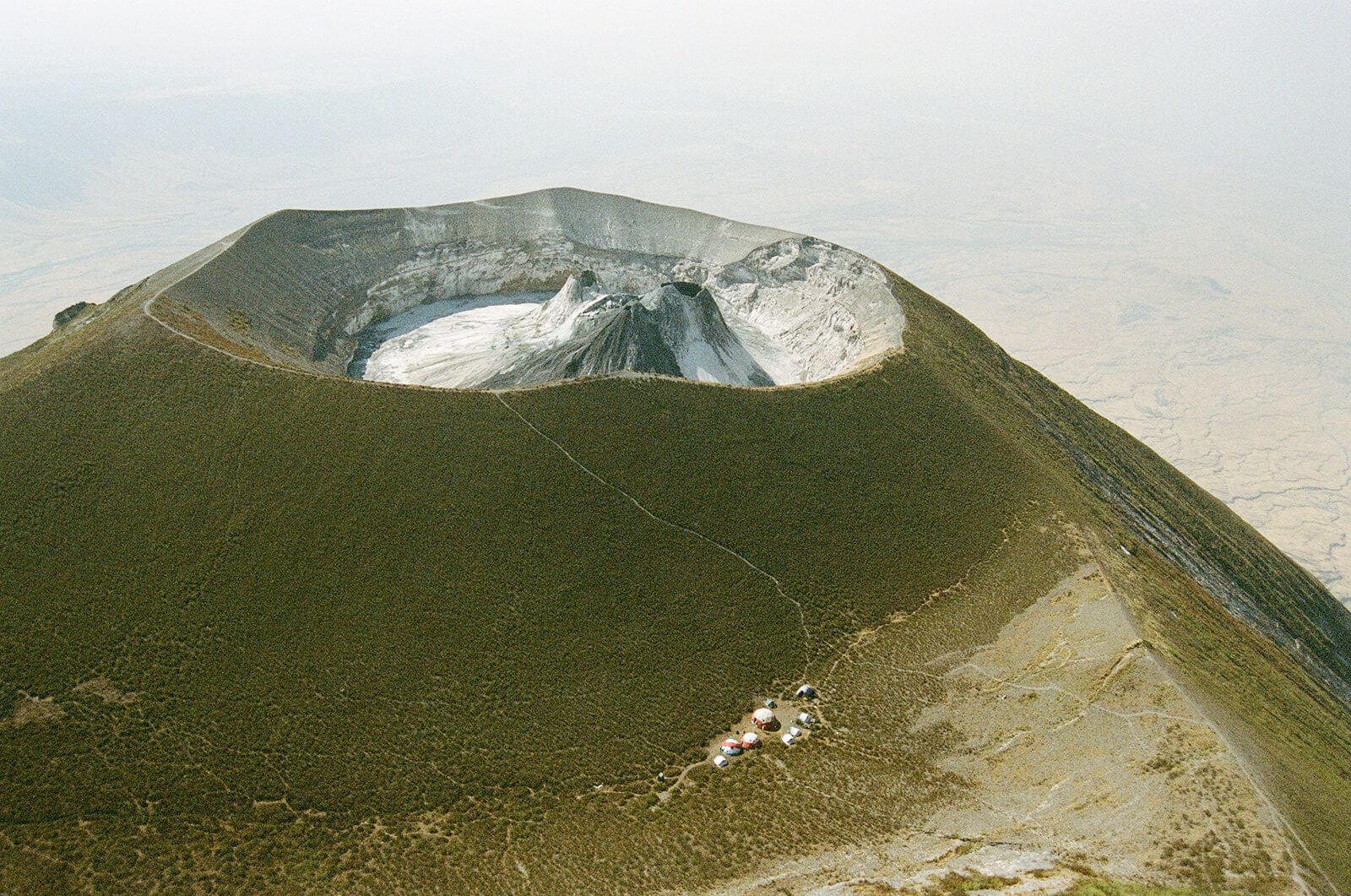
At Lake Natron, we walked to a remarkable site of ancient hominid footprints, preserved in mud between 5,000 and 19,000 years ago: one of Africa’s most significant collections of early human footprints.
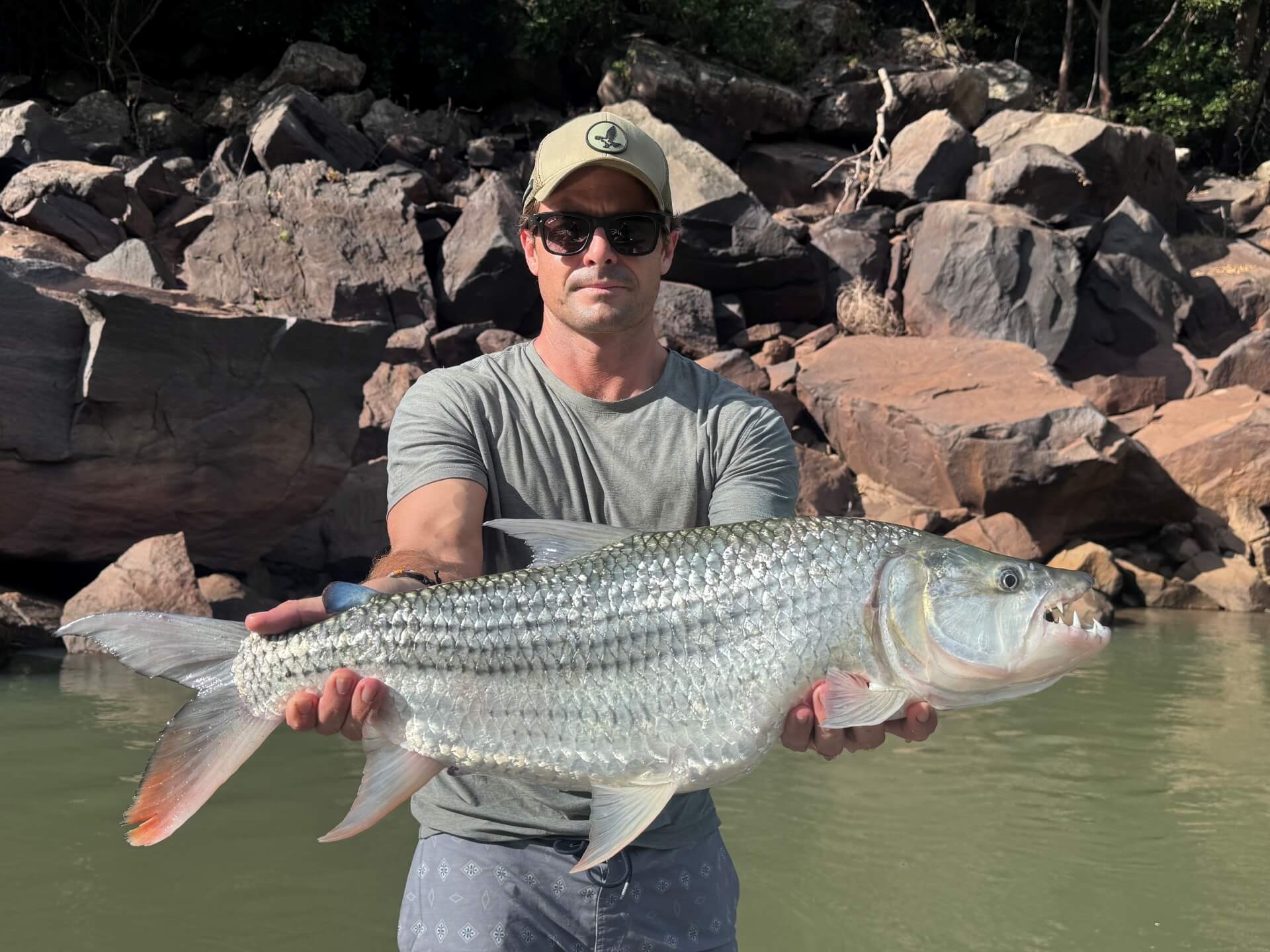
At Kiba Point in Nyerere National Park, life revolved around the Rufiji River. With three boats and plenty of fishing kit at our disposal, we spent time chasing tigerfish, whose powerful runs and hard-fighting nature made for some lively fishing. We also spent a night fly camping under the stars on a secluded sandbank, walked the riverbanks tracking elephants, enjoyed excellent birdwatching, and learnt about the area’s medicinal plants. With no fixed schedule, each day unfolded at its own pace, following the river and seeing where the adventure took us — the essence of a truly nomadic safari.
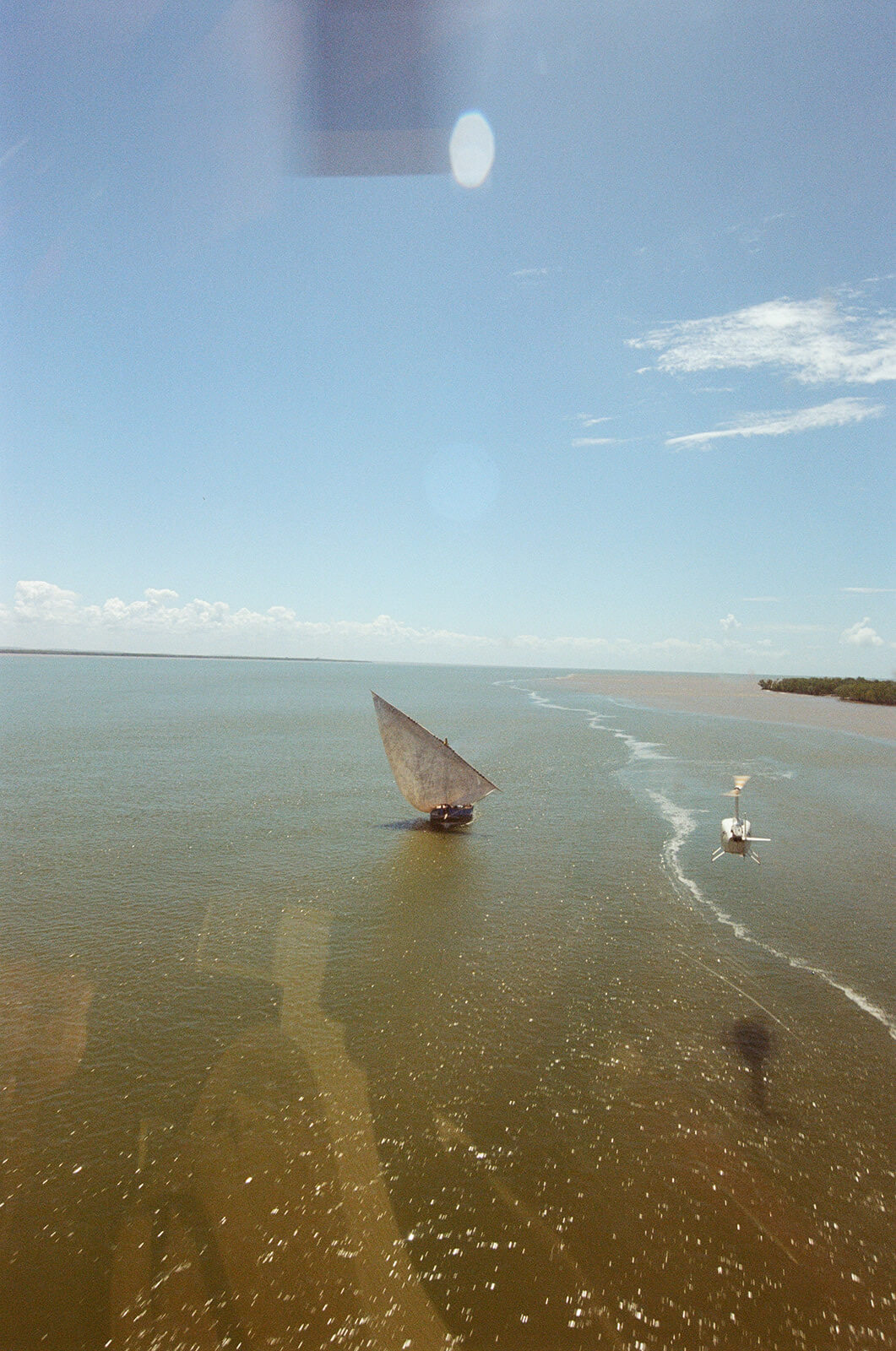
Our final days at jungle island retreat, Chole Mjini on Mafia Island were every bit the castaway fantasy. We sailed, snorkelled, paddleboarded and fished, as well as explored the island’s mangroves and villages on foot. Chole Village has a fascinating history: more than a thousand years ago, the island was an important stop on Arab traders’ routes along the East African coast. Today, fishing and subsistence farming remain central to local life, and a wander through Chole Village offers a glimpse into the rhythms of island life.
Every time I head out on an adventure like this, I come back with new ideas for what’s possible. Tanzania is a country that really lends itself to exploring ‘beyond the ordinary’, and travelling by heli gave us the freedom to experience it in so many different ways. If you’re tempted by an adventure of your own, we’d love to hear what you have in mind.
Subscribe to our newsletter
Lorem ipsum dolor sit amet, consectetur adipiscing elit. Suspendisse varius enim in eros elementum tristique.

Guide Diaries
A year of wild adventures: 10 things we’re thankful for
There’s a lot to be thankful for when your office happens to be somewhere between the savannah, the rainforest and the Indian Ocean. With Thanksgiving here, we’ve been looking back on another year of adventures and all the things that make us love what we do.

Guide Diaries
Camp Life
The wilds of Tsavo: our far-flung mobile camp
This is one of those places we’ve been keeping up our sleeve. Our third private mobile camp is tucked away in the vast wilderness of Tsavo National Park. It’s a remote corner of Kenya, far from the usual safari routes, and exactly the kind of place we love to explore.
Guide Diaries
The best sundowners of the season
First things first: what exactly is a sundowner? In its simplest form, it’s a drink enjoyed as the sun goes down. But on safari, it’s become something of a ritual - and very often the best part of the day.