
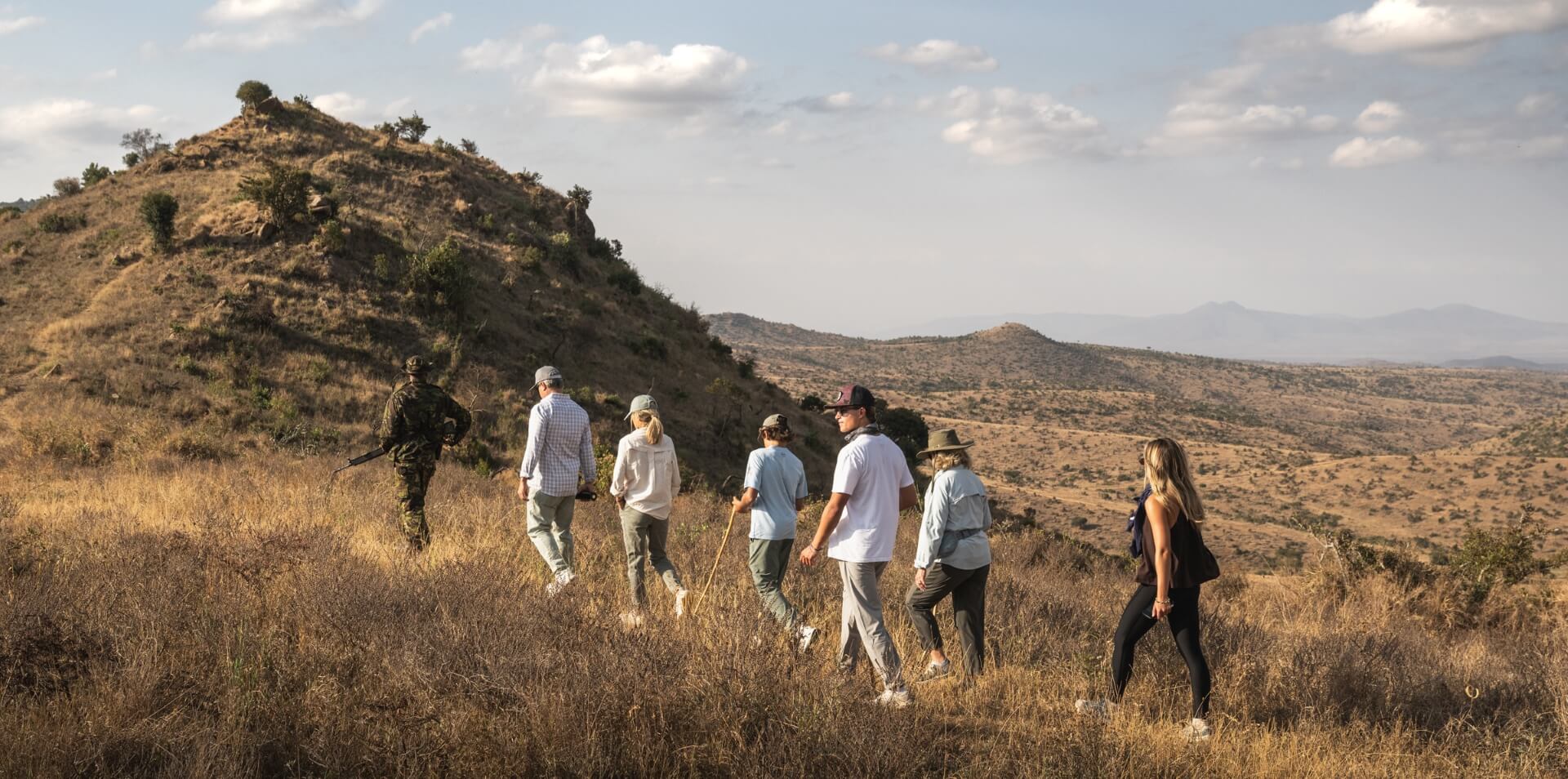
When it comes to packing for safari, less really is more. Resist the temptation to overpack - you’ll be surprised how little you need, thanks to a brilliant laundry service at all of our camps and properties. And - fear not - well ahead of your trip, we’ll send you a suggested kit list and any luggage restrictions that relate to your exact itinerary.
But here’s a more general run-down on how to pack smart for safari…
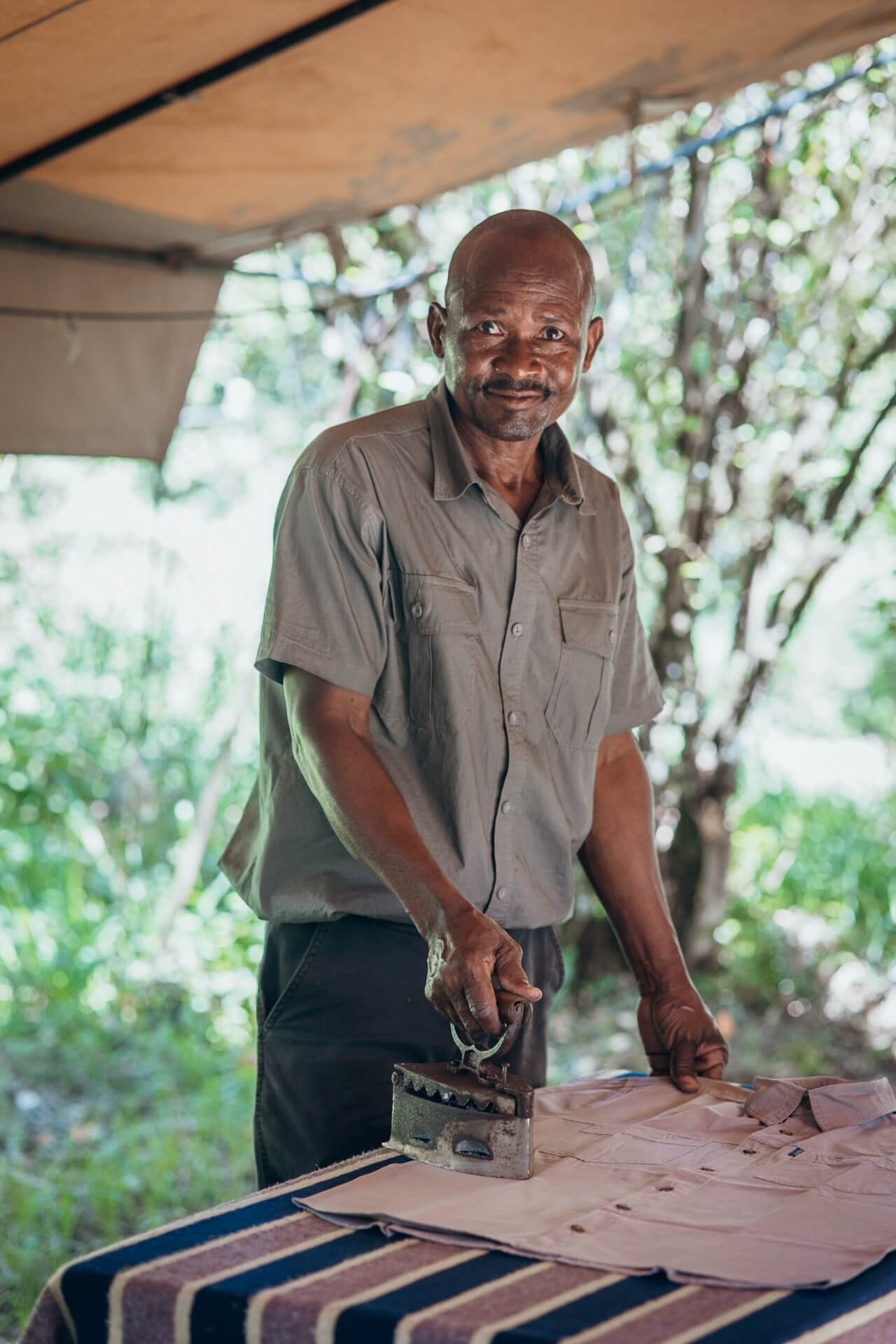
Dressing for the bush: what to wear and why it matters
Comfort, safety and practicality: What you wear on safari is far less about style and much more about function. Out in the bush, it’s all about protecting your skin from the hot sun, fending off early-evening mosquitos and staying comfortable as you move between game drives, bush walks, fun on the water and time in the air.
If you’re travelling with kids, it matters even more, as having the right kit to hand makes safaris with little adventurers that bit easier. Safari days are long, unhurried and all-consuming - your clothing is just background noise. Instead it’s about dressing to make the most of every moment and having a great time.
The best coloured kit for the best sightings:
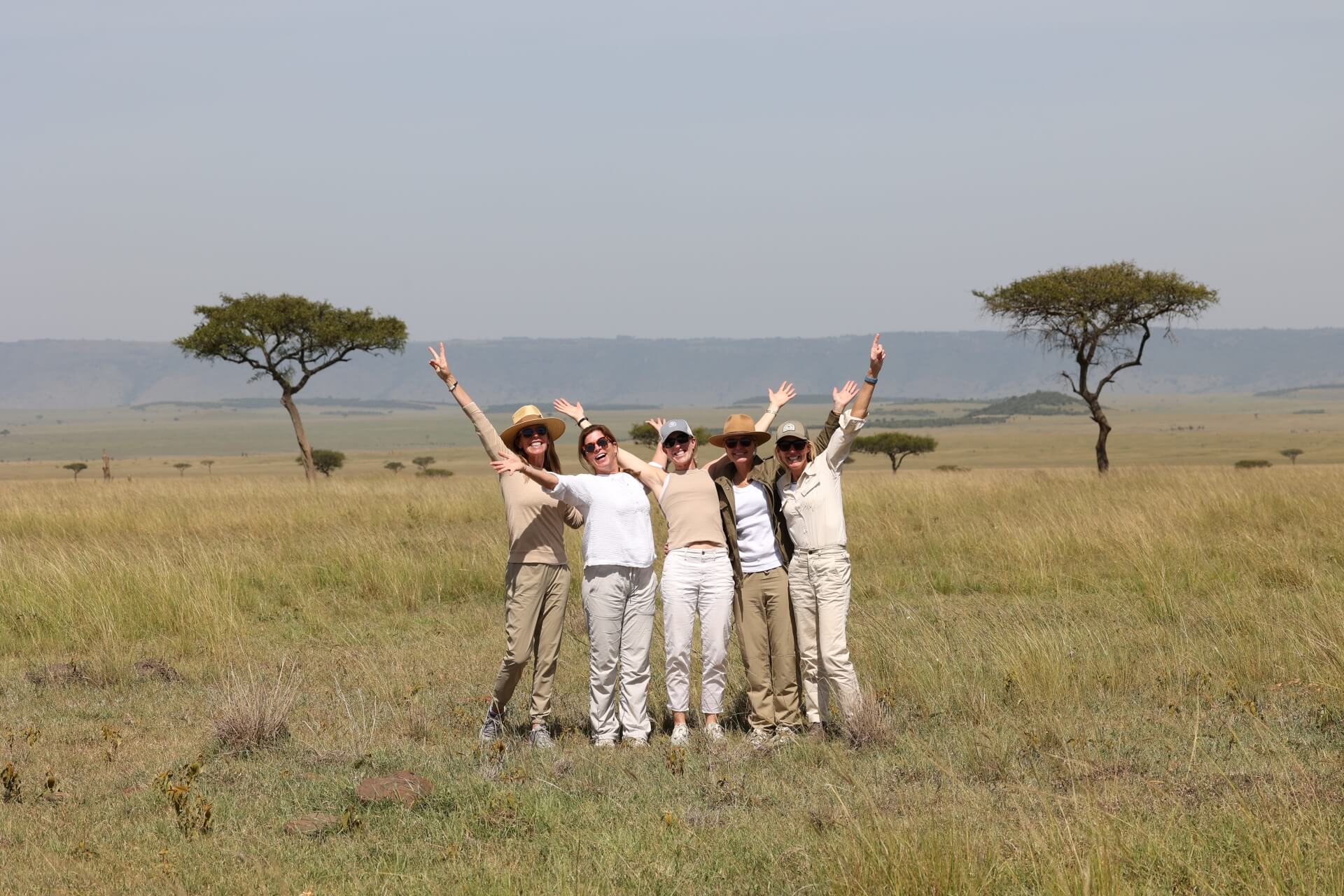
Safari style is about blending in, not standing out, so neutrals are key. Think soft khaki, olive, sand and stone tones that blend into the landscape and don’t attract unnecessary attention from insects…or something larger! Steer clear of anything red, purple, white or black.
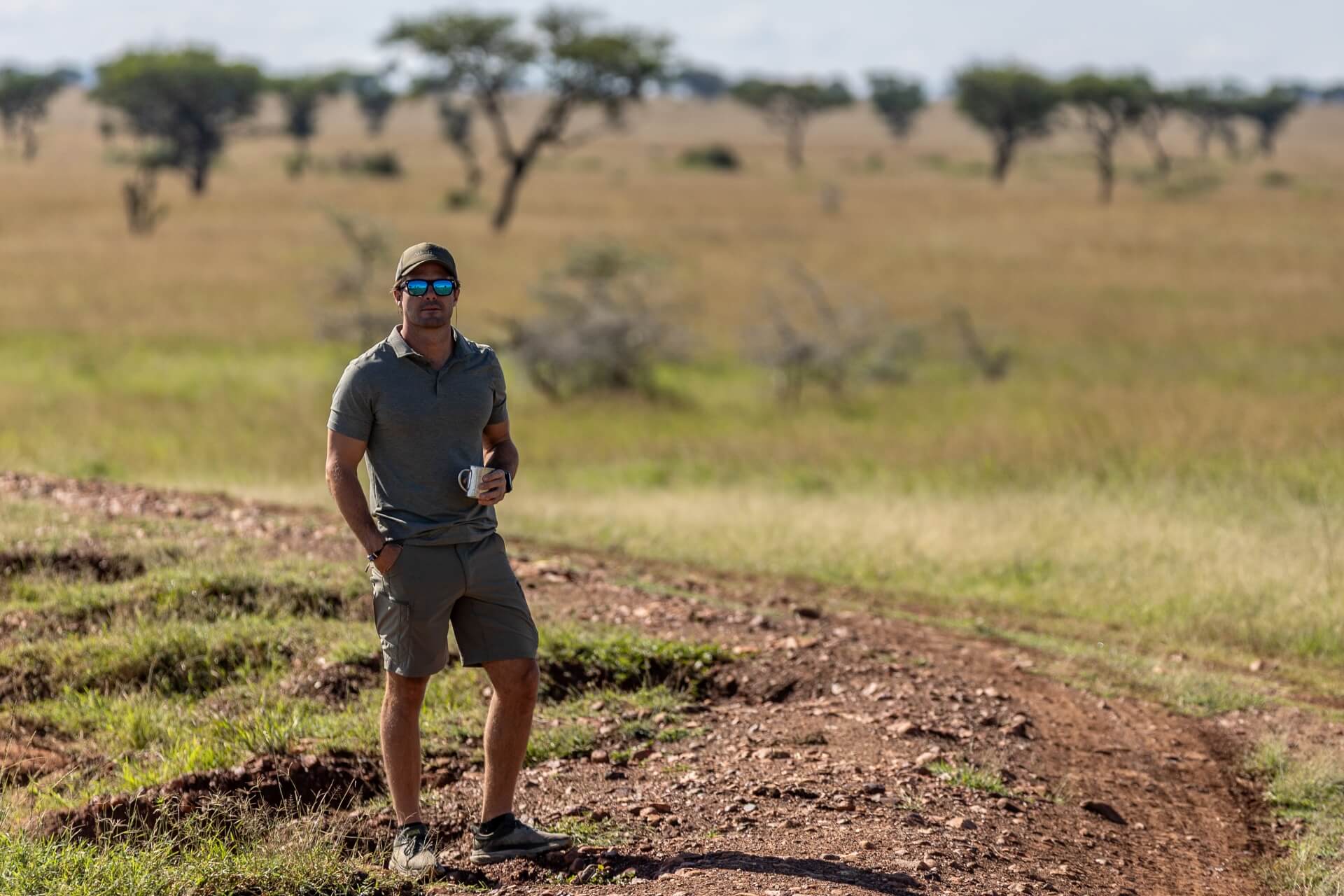
High-end wardrobe staples that stand up to the bush: Toning down the style stakes doesn’t mean compromising on performance: safari clothing might be understated, but it needs to work hard. Lightweight, breathable fabrics are key for long days in the heat, while good-quality, hard-wearing pieces will stand up to dust, sun and plenty of movement. Think moisture-wicking layers, built-in sun protection and clothes that stay comfortable from early morning game drives through to evening sundowners. Some of our favourite brands include: Patagonia for great fleeces and outdoor gear; Birkenstock for practical yet chic boots, sandals and clogs; and Vuori for comfortable activewear.
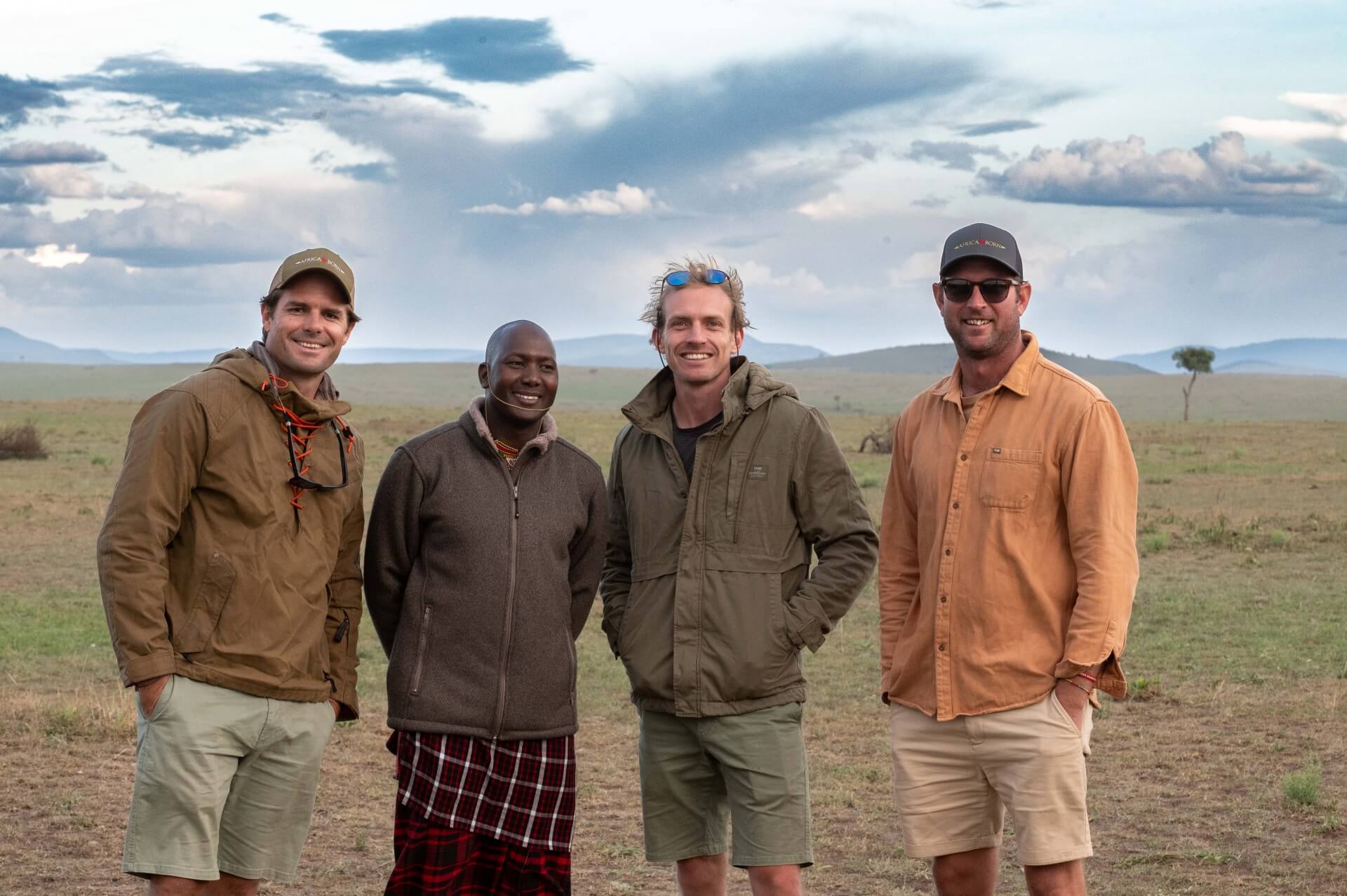
Safari essentials: our top picks
Tops: opt for lightweight, breathable items, ideally made from natural fabrics such as linen, silk-cotton or merino wool. Layers are the key to comfort on safari - start with lots of layers in the early morning and peel them off as the sun rises and the day warms up, and then as the evening draws in and the temperature drops, put them all back on. We love Vuori for comfy but chic tops in muted safari tones.
Bottoms: pack both shorts and trousers, and better still convertible zip-off trousers: all in hard-wearing durable fabric. Shorts are ideal for the middle of the day - around camp - while trousers are best when out and about on game drives, walking safaris and in the evening when the mozzies descend and it gets chilly. We’d recommend Rei’s hiking, rain and casual trousers and their brilliantly functional shorts.
Footwear: it’s best to bring one pair of light hiking boots for walking safaris, one pair of comfortable trainers / other shoes for game drives, and a third pair of shoes to wear around camp in the evenings: flat sandals for women; any form of smart-casual footwear for men. Savvy packers travel in their chunkiest footwear to save space. If you don’t already have a pair of light hiking boots we’d suggest Hoka and Salomon’s hiking ranges or - for those who prefer more of a leather boot - Blundstone, FEIT or Red Wing. Kids can walk in a good solid pair of trainers - no need for hiking boots.
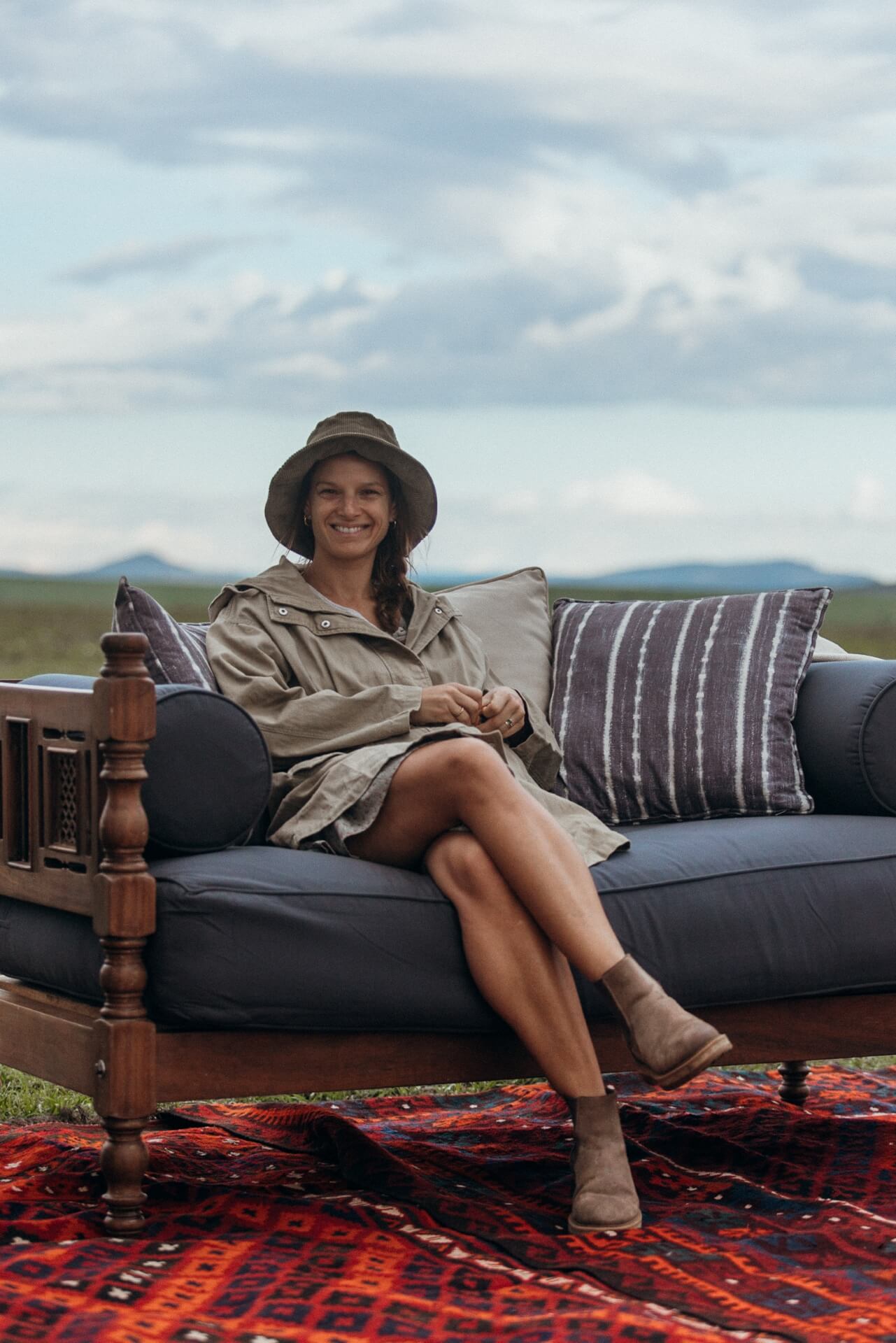
Outerwear: again, layering is the way - puffer jackets and fleeces are great, with a lightweight, packable waterproof jacket for the wetter days. Outerwear is so important: being wet or cold on safari feels a bit miserable, when you’re right out in the wilds and hours from camp. We rate Patagonia and The North Face for hard-wearing practical outerwear, as well as Rains for chic, city-ready styles that you’ll wear long after your trip.
Swimwear: do bring swimwear for an afternoon dip in the camp / lodge swimming pool: the best way to cool off and unwind after a hot dusty game drive. If you have kids in tow, don’t forget buoyancy aids and goggles. Pack the right pool kit and they’ll be in there for hours!
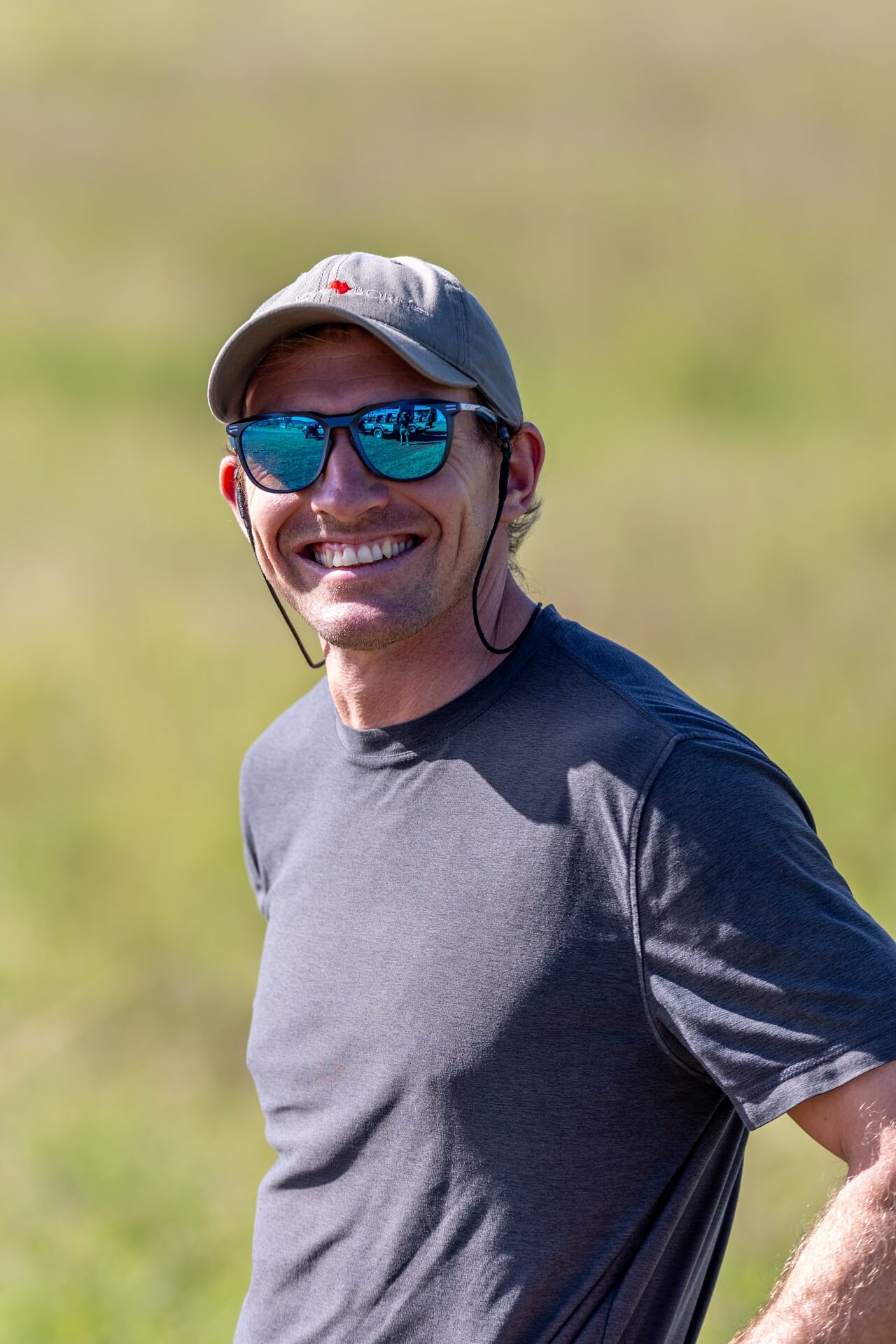
Accessories: no we’re not talking great handbags and matching hair pieces, but a few key pieces of safari kit that will prove invaluable once you’re out in the bush. Definitely pack a great pair of sunglasses, but don’t worry about a baseball cap as we’ll have an Africa Born one waiting for you in your welcome pack. We’ll also give you an Africa Born ‘kikoy’ (light scarf) to use as a wrap when chilly, or to create a bit of shade from the sun. Talking of sun, a plentiful supply of good high-factor suncream from a top brand is vital, as is a well-reviewed insect repellant: scrimping on either of these is a no-go. If you’re travelling with kids, double down on the accessories, suncream and insect repellent. Brands we love and use include: the mosquito-repelling DEET-free Sawyer’s picaridin spray, Repel’s lemon eucalyptus blend and the Murphy’s Naturals range. When it comes to safe, environmentally-friendly suncream that is free from nasties, we’d suggest Thrive, Babo Botanicals, and Alba Botanica.
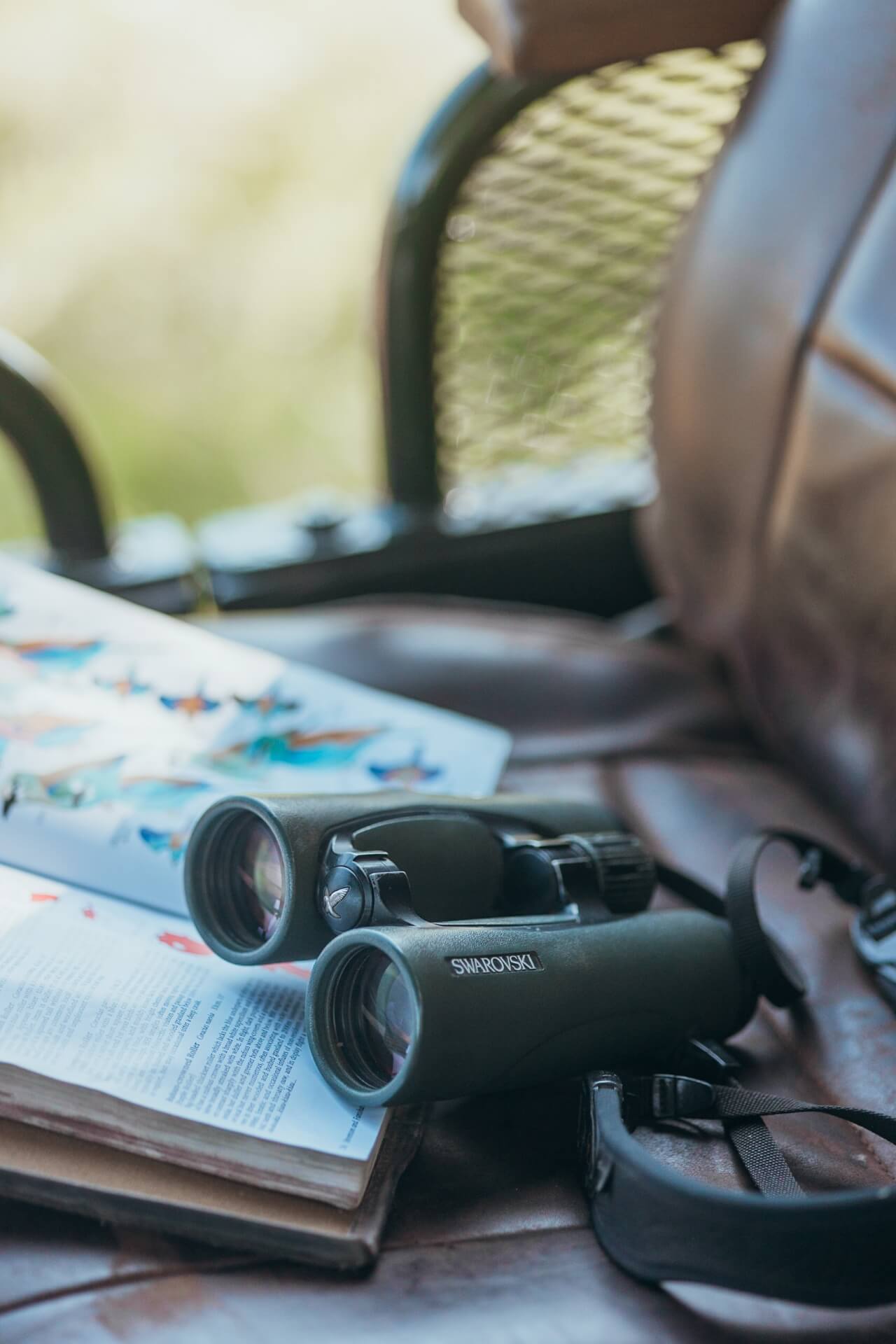
Tech: if you’re a keen photographer, you’ll likely be travelling with a couple of cameras and all the related kit and caboodle. Even if you’re not an avid snapper, it is well worth investing in a good easy-to-use camera, plenty of spare batteries and memory cards…and don’t forget the charger! Great binoculars are a must - we love Swarovski, Vortex and Nikon - and have been known to get pretty granular about which range and model, so drop us a line before you make a purchase and we can chat about it. Do also bring some binos along for the kids too, they’ll absolutely want to keep an eye on all the action while out on drives.
Safari basics for families: for those travelling with kids, do check out our guide to the ultimate family safari adventure - you’ll find plenty of top tips on packing and handy hacks on how to keep little ones busy.
Dressing for different seasons
The seasonal climate does vary from one African destination to the next but - by and large - we tend to recommend travelling to a destination during the dry seasons (January - February and July - October, for the majority of East Africa) or the quieter ‘shoulder’ season (April) when there’s a little rain and everything is green and lush.
If travelling in dry / hot season, pack items that afford maximum ventilation and sun protection: no dark colours, as these absorb heat. If you’re visiting during the short rains in April, make sure your waterproofs really cut it, you have plenty of quick-drying fabrics (ease off the cotton) and plenty of waterproof covers for cameras, other tech and your bags.
Regardless of the season, the temperature of the day will fluctuate - cool mornings and hot afternoons - so layers are a must.
Culturally conscious dressing
When packing for safari, it’s worth thinking beyond the bush and considering the local communities you may visit and spend time with. Cultural etiquette matters, and your wardrobe should reflect that.
Stick to neutrals and avoid bold prints. Not only does it help you blend into the landscape, but it also shows respect in more traditional settings. When you’re visiting markets, schools, villages and potentially being welcomed into people’s homes, modest dressing is key: it’s a good idea to cover your shoulders and knees.
Meanwhile, it’s also worth considering how smart the vibe is in your camp or lodge, especially if you and your group are not staying there exclusively. Some properties expect guests to look smart in the evenings - think elegant, understated pieces rather than any glam partywear! If in doubt, ask us and we’ll give you a steer.
And of course, if you have young children in your party, the rules are much more relaxed — after all, we want the little wildlings to feel comfortable, free to explore, and above all, to have fun.

Logistics and your final preparations
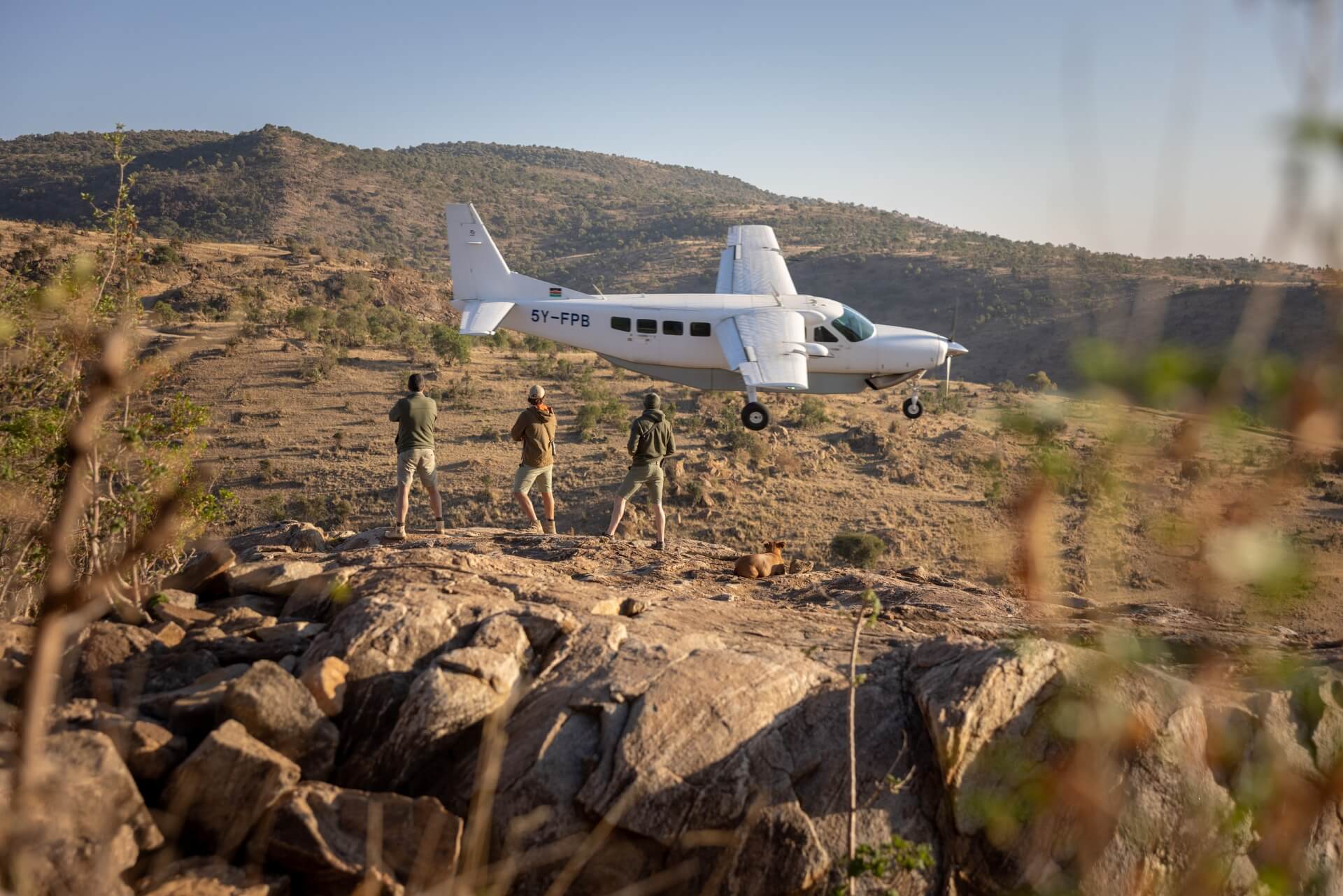
Your safari with us will almost certainly involve flying on small aircraft, which means you need to be mindful of space. Luggage is restricted to 15kg/33lbs per person inclusive of hand luggage and all camera and kids’ equipment. We recommend you travel with one medium/large soft-sided bag (something like this is perfect) and one small carry-on bag/tote or camera/gadget bag per person. Hard cases are impossible to wrestle in and out of the plane!
But do not worry, we understand that kids require some serious kit. We can ensure that everything you need will be in place on your arrival - car seats, cots, high chairs and buggies. Likewise, with an excellent laundry service across all properties, guests - however small and messy - only need enough outfits for three days: the laundry turn-around time is impressive!
Your safari adventure awaits
In essence, try to pack light, pack smart and pack with purpose. Resist the temptation to overpack! Choose neutral-coloured, well-made clothing that keeps you comfortable, protected and ready for your adventures in the wild. Layering is essential, quality kit matters and the right accessories make all the difference: from the best binoculars you can get your hands on, to an excellent pair of sunnies. If travelling with kids, we’ll absolutely line up all the car seats, high chairs and buggies you need, as space will be tight and luggage limits are strict.
Do give us a call if you’d like to chat through what to pack. There will also be a suggested packing list alongside your itinerary, with pointers on exactly what you’ll need based on what you’ll be up to on your safari adventures.
Frequently Asked Questions (FAQs)
Q: What colours are best for safari clothing?
A: Neutrals are key. Think soft khaki, olive, sand and stone tones that blend into the landscape and don’t attract unnecessary attention from insects…or something larger! Steer clear of anything red, purple, white and black.
Q: Can I wear shorts on a safari?
A: Yes absolutely, although best to switch into trousers for evenings when the temperature drops and you might be bothered by mosquitos. Some guests opt for convertible zip-off trousers, as they’re quick and easy when you’re on the move
Q: What shoes are best for walking safaris?
A: It’s best to bring one pair of light hiking boots for walking. We like Hoka and Salomon’s hiking ranges or - for those who prefer more of a leather boot - Blundstone, FEIT or Red Wing. Kids can walk in a good solid pair of trainers - no need for hiking boots.
Q: How do I pack for early morning and evening game drives?
A: Layers are the key to comfort on safari - start with lots of layers in the early morning and peel them off as the sun rises and the day warms up, and then as the evening draws in and the temperature drops, put them all back on. On the top half, opt for lightweight, breathable items, ideally made from natural fabrics such as linen, silk-cotton or merino wool. Do pack a puffer jacket / fleece, perhaps even a lightweight, packable waterproof jacket for the wetter days. On the lower half, opt for shorts or trousers (depends on how hardy you are!) or better still convertible zip-off trousers. Trousers and shorts need to be made of hard-wearing durable fabric. Don’t forget to put your Africa Born baseball cap, kikoy and waterbottle, plus suncream, mosquito repellent and any other essentials in your day pack.
Q: Do I need special clothing for mosquito protection?
A: Trousers and long-sleeves really help - especially for children - accompanied by frequent application of a good DEET-free insect repellent. Mosquitoes can be attracted to red / orange / pink colours, while tsetse flies tend to like dark colours, particularly black and deep blue so - as ever - neutrals are the way.
Subscribe to our newsletter
Lorem ipsum dolor sit amet, consectetur adipiscing elit. Suspendisse varius enim in eros elementum tristique.
Guide Diaries
Inspiration
From desert to delta: Namibia and Botswana adventures
Botswana is having a moment, so when a returning client requested a fresh spin on this classic southern African safari destination, we jumped at the chance.
Guide Diaries
Hooked: the ultimate Kenyan fishing safari
Spend five minutes with me and you’ll know I love fishing. Growing up in Watamu on Kenya's north coast, fishing became a passion at an early age.
Guide Diaries
Bouncing into Spring: baby boom in the bush
April marks the baby boom in Kenya. The long rains transform the bush into a lush, leafy landscape brimming with life - much of it newborn. The traditional ‘off-season’ months spanning from March until May are our best kept-secret; the perfect time to catch these incredible - and often entertaining - early encounters: it’s a great time to be on safari.